By art and scent historian Caro Verbeek
There appears to be a dramatic mismatch between smell and words, at least in most western languages. Most people have a hard time describing scents beyond referring to the source of smell (like describing red as ‘the colour of a tomato’) and on a hedonic scale (good or bad, like describing blue as beautiful instead of using the word ‘blue’). But exactly this lack of vocabulary inspired the Futurists to invent their own words to describe their innovative olfactory practices and modernist relation to smell in the first half of the 20th century. They tried to bridge the gap between the sensory world and the words that represented this by transforming words into sensory elements themselves as they believed words could evoke images, sounds and even smells.
Scent played an important – yet overlooked role in Futurism – as preluded by the very first manifesto Marinetti issued exclaiming that “il fiuto, il fiuto basta alle belve!” (“The scent, nothing but the scent. That’s all an animal needs!”, Fondazione e manifesto del futurismo, 1909). Furthermore the Futurists aromatized theatres (Marinetti), dance performances (Valentine de Saint-Point), cinema (Bruno Munari and Castagnetti) and allegedly possibly also sculptures (Fedele Azari) and toys and ‘oggetti plastici’ (Fortunato Depero). Carlo Carrà and Fedele Azari wrote entire manifestos on smell as did the lesser known Ennio Valentinelli. They often based their ideas on symbolist art, scientific discoveries and came up with their own original ideas.
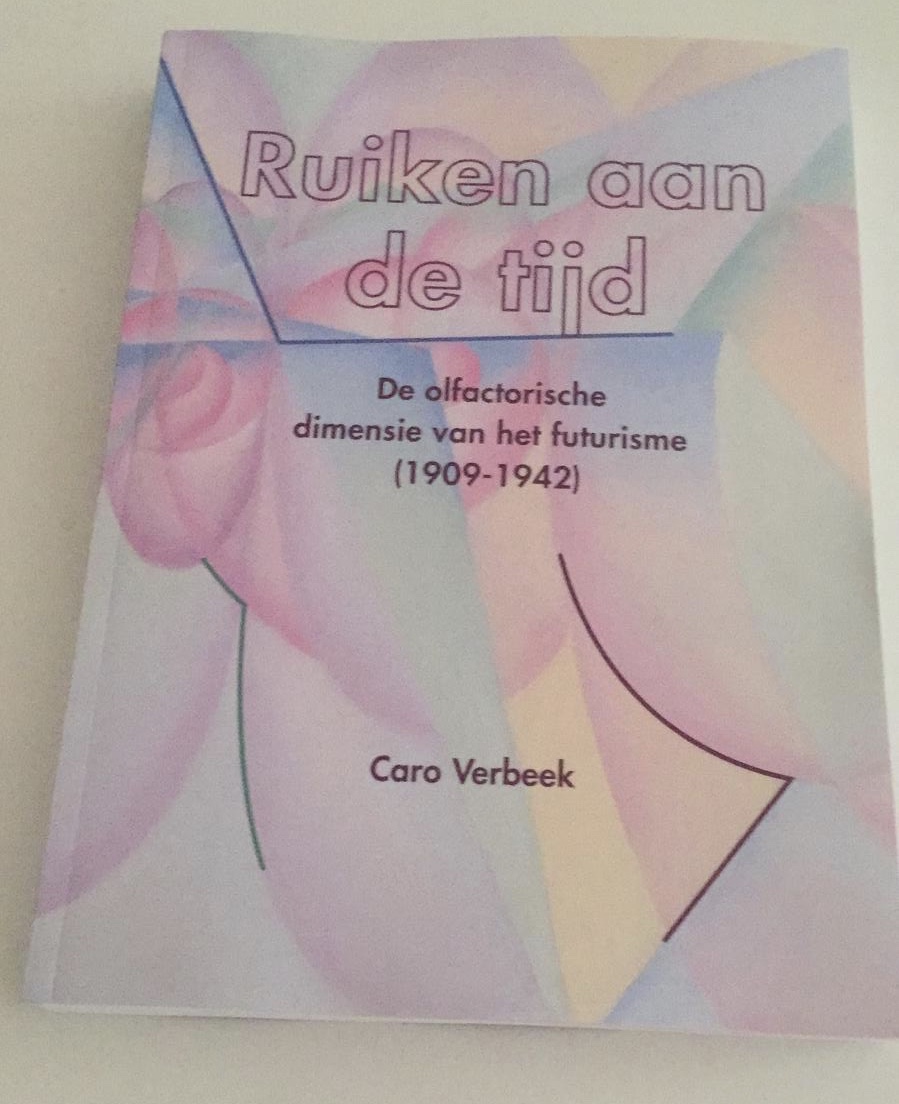
PhD manuscript ‘smelling time – the olfactory dimension of futurism’, 2020
What follows is a list of neologisms (newly invented words) referring to olfactory phenomena as found in Futurist, Symbolist and other contemporary texts between ca. 1850 and ca. 1950. Many of these are derived from the language of music while others are synaesthetic references to colours and shapes. A couple are based on the more psychological impact odours can have. Quite a unique category are the words based on contemporary paradigms. The futurists and other artists and scientists believed smell was an electromagnetic phenomenon. This can be recognised in terms as ‘vibrating smells’.
These words – although around a century old – might help present-day scholars, artists, perfumers and other enthusiasts to connect to scent culture in a more profound way and to describe and understand the olfactory environment better. This research is part of the PhD-project “In Search of Lost Scents – The Olfactory Dimension of Futurism (1909 – 1942) by Caro Verbeek).
F = Futurist (invented by the Futurists)
C = Contemporary (invented by contemporaries, such as the Symbolists)
aeromet F (aero-dish)
French equivalent for ‘aerovivanda’. Aeromet is probably derived from the French medieval ‘entremet’; a term used to describe a multi-sensory dish. Marinetti, Fillìa (1932), La cucina futurista.
aerovivanda F (aero-food)
A contraction of ‘aero’ (a prefix invented by the Futurists to indicate speed and modernity) and ‘vivanda’ (food). A typical aerovivanda contained scents, tastes, sounds and tactile elements. Marinetti, Fillìa (1932), La cucina futurista.
aeropofumi F (aeroperfumes)
A contraction of ‘aero’ (a prefix invented by the Futurists to indicate speed and modernity) and ‘profumi’ (perfumes). ‘Aeroprofumi’ were typically Italian smells such as lavender from Liguria and bread cooked on car tires. Sanzin (1942), Fiori d’Italia.
accordi di fetori F (stench chords)
Literally ‘chords of stench’. The Futurists wanted to include the other side of the dichotomy ‘fragrant-foul’ in order to heighten a sense of lyricism. The term ‘perfume chord’ was already known. Many scent terms are derived from music. Valentinelli, (ca. 1916), “L’arte degli odori”.
allons au parfum C (let’s go to the perfume concert)
Literally ‘Let’s go to the perfume’ or to the perfume concert. Montesquiou (1900), Pays des aromates.
arpeggio (of thyme and lavender, of rosemary, basil, myrtle, tarragon)
Literally a ‘broken chord’ (of thyme and lavender, of rosemary, basil, myrtle, tarragon). An arpeggio consists of a succession of notes rather than a chord played at once. An olfactory arpeggio would consist of rapidly alternating olfactory notes, which – according to Avery Gilbert – human beings aren’t able to perceive (unlike mice). Huxley (1932), Brave New World.
concerto di profumi (perfume concert)
Literally ‘concert of perfumes’. Valentinelli (ca. 1916), “L’arte degli odori”.
conprofumo F (harmonic perfume)
A contraction of ‘con’(with) and ‘profumo’ (perfume). A term used to indicate the affinity of a given perfume with the taste of a certain type of food, such as mashed potatoes and roses. Marinetti, Fillìa (1932), La cucina futurista.
disprofumo F (dis-perfume, contrasting perfume)
A contraction of ‘dis’ (counter/ opposite) and ‘profumo’ (perfume). A term used to indicate the complementary character of a given perfume with the taste of a certain type of food, such as raw meat and jasmin. Marinetti, Fillìa (1932), La cucina futurista.
caldagrodolce F (warmbittersweet)
A contraction of ‘caldo’ (warm), ‘agro’ (sharp/ bitter) and ‘dolce’(sweet). The Futurists invented many of this type of synaesthetic and multi-sensory words. Marinetti (1932), “Ritratto olfattivo di una donna”.
fetori, storia dei F (history of stench)
Literally ‘history of stench’. Valentinelli wanted to include stench in the renarrating of the history of smell, since usually only perfumes are described. Stench would heighten the lyricism because of the intriguing contrast they would render. Valentinelli (ca. 1916), “L’arte degli odori”.
forces odorales (odorous forces)
Literally ‘olfactory forces’. The concept was used in in the scented Total Work of Art Cantique des cantiques by Paul-Napoléon Roinard. Roinard (1891), Les miroirs.
frescacido F (freshsour)
A contraction of ‘fresco’ (fresh) and ‘acido’ (acid/ sour). Marinetti, Il tamburo di fuoco, 1922.
homeopathie nasale (nasal therapy)
Olfactory therapy based on the healing power of scent memories. Huysmans (1884), À rebours.
idiome des fluids C (perfume language)
Literally ‘grammar of fluids’ or language of perfumes. Huysmans (1884), À rebours.
lirismo olfattorio F (olfactory lyricism)
Literally ‘olfactory lyricism’. Also see ‘stances aromatiques’ van Piesse. Bron: Valentinelli (ca. 1916), “L’arte degli odori”.
litanie odorante C (fragrant prayer)
Fragrant prayers or burnt offerings were a means to communicate to the gods. Montesquiou (1900), Pays des aromats.
mise en senteur C (scent composition)
Literally a ‘scented composition’ derived from ‘mise-en-scène’; a concept taken from the realm of theatre. It was first used for the scented Total Work of Art ‘Cantique des cantiques’ by Paul-Napoléon Roinard. Roinard (1908), Les miroirs.
modulations (of spice keys into ambergris)
Also see ‘modulazioni olfattive’. Huxley (1932), Brave New World.
modulazioni olfattive F (olfactory modulations)
Literally ‘olfactory modulations. A modulation is a rapid shift from one tone to the next and back again. According to Avery Gilbert the human sense of smell cannot detect such shifts. Sanzin (1942), Fiori d’Italia.
musica di odori F (music of scents)
Music of odours. Valentinelli (ca. 1916), “L’arte degli odori”.
narines excédées C (extraordinary nostrils/ sense of smell)
Literally ‘extraordinary nostrils’, or a keen sense of smell. Huysmans (1884), À rebours.
octave of smells C
Septimus Piesse believed that every musical note corresponded to an odorant. Piesse (1857), The Art of Perfumery.
Also see ‘smound’.
odorant souvenir C (olfactory memory)
Sensory memory or ‘Proustian memory’ was actually not first described by Proust, but by the ‘Professor of Beauty’. Montesquiou (1900), Pays des aromates.
odorante orchestration C (fragrant orchestration)
Orchestration of scent. Huysmans (1884), À rebours.
odorat, hallucinations de l’ C
Fictional character Des Esseintes smelled things that weren’t there. Huysmans (1884), À rebours.
odore, archi mobili di F (moving arches of odour)
Marinetti described ‘moving arhces of odour’ as part of the olfactory aura/ scent trail of a woman. Describing scent in terms of movement is quite rare. Marinetti, (1932), “Ritratto olfattivo di una donna”.
odore azzuro F
Blue odour. Carrà, 1913/ Azari, “Milano-Montecarlo in direttissimo Pullman”, 1920.
odeur azure F
Blue odour. Montesquiou (1900), Pays des aromates.
odore concavo F
Concave odour. Carrà (1913), “La pittura”.
odore conico F
Cone-shaped odour. Carrà (1913), “La pittura”.
odore convesso F
Convex odour. Carrà (1913), “La pittura”.
odore elissoidali F
Elliptical odour. Carrà (1913), “La pittura”.
odore giallo F
Yellow odour. Carrà (1913), “La pittura”.
odore oblungo F
Oblong odour. Carrà (1913), “La pittura”.
odeur opaline F
Intensely blue odour. Montesquiou (1900), Pays des aromates.
odore ovoidale F
Oval odour. Marinetti, (1932), “Ritratto olfattivo di una donna”.
odore rosso F
Red odour. Carrà (1913), “La pittura”, Marinetti, (1932), “Ritratto olfattivo di una donna”.
odore sferico F
Spherical odour. Carrà (1913), “La pittura”.
odore spiralico F
Spiral-shaped odour. Carrà, 1913/ Fedele Azari (1920), “Milano-Montecarlo in direttissimo Pullman”, Marinetti (1932), “Ritratto olfattivo di una donna”.
odore tondo F
Circular odour. Marinetti (1933), “Teatro totale
per masse”, 1933, Marinetti (1932), “Paesaggio di odori del mio cane-lupo”.
odore triangolare
Triangular odour. Carrà (1913), “La pittura”, Azari (1920), “Milano-Montecarlo in direttissimo Pullman”.
odore turchino F
Turquoise odour. Carrà, “La pittura”, 1913.
odore velutato
Velvety odour. Marinetti (1932), ‘”Ritratto olfattivo di una donna”.
odeur vert C
Green odour. Baudelaire (1857), Correspondences.
odore verde F
Green odour. Carrà (1913), “La pittura”.
odore violetto
Purple odour. Carrà (1913), “La pittura”.
odori, monotonia di F (monotony of odours)
Literally ‘monotony of odours’. Valentinelli wanted to replace existing smells attached to places with more appropirate ones in line with activities and functions of public places. Valentinelli (ca. 1916), “L’arte degli odori”.
olfatto-immaginazione F (olfactory imagination/ olfactorisation)
There is no word for ‘olfactory imagination’ in Italian. Marinetti used it in the context of the scent of female skin and how it aroused him (as opposed to perfume). The English translation could be ‘olfactorisation’ (as opposed to ‘imagination’). Marinetti (1920), Il lusso femminile.
ondate olezzatrici F (fragrant waves)
‘Ondata’ means ‘waves’ and ‘olezzatrice’ means ‘giving of scent. In the 19th and early 20th century smells were thought to travel through the ether as a vibrating electro-magnetic waves. Valentinelli (ca. 1916), “L’arte degli odori”.
ondes odorantes C (fragrant waves)
Literally ‘fragrant waves’. In the 19th and early 20th century smells were thought to travel as vibrating electro-magnetic waves. Huysmans (1884), Á rebours.
paesaggio di odori F (scentscape)
Marinetti was the first to use the now popularised term ‘scentscape’ for the spatial and temporal organization of scents. Marinetti (1912), “Manifesto tecnico della letteratura futurista”, Marinetti (1932), “Paesaggio di odori del mio cane-lupo”.
polibibita F (multisensory cocktail)
Contraction of ‘poli’ (plural/ several) and ‘bibita’ (drink). The polibibita is the Italian equivalent for ‘cocktail’. A polibita could even consist of sounds. Marinetti, Fillìa (1932), La cucina futurista.
profumatóio (a tastiera) F (scent organ)
Marinetti described a scent organ in a manifesto. It was supposed to answer to individual tastes and be handled by the audience (odience) at their own table. Marinetti (1933), “Teatro totale per masse”, Battaglia, Dizionario Italiano, 1961.
polifonia di profumi F (polyphony of perfumes)
A ‘polifonia’ di odori’ is a controlled synthesis of different perfumes. Bron: Sanzin (1942), Fiori d’Italia.
ritratto olfattivo F (olfactory portrait)
Marinetti was the first to use this now popularised term ‘olfactory portrait’. He described the dynamic scent trail and exhalations of a woman he found attractive and that he traced by following his nose. Marinetti (1932), “Ritratto olfattivo di una donna”.
sapore-colore-odore F (taste-colour-odour/ flavour)
There is no word for ‘flavour’ in Italian, so the Futurists contracted taste, colour and smell to emphasise the synthesis of these sensory stimuli during culinary activities. Marinetti, Fillìa (1932), La cucina futurista.
scent organ C
Aldous Huxley’s scent organ was able to modulate and switch odours very rapidly. Marinetti probably based his invented word ‘profumatoio a tastiera’ on Huxley’s slightly earlier use of the term. Huxley (1932), Brave New World.
semi-odors C
Semi-odors are half-notes – like the black keys on a piano – and are derived from the ‘octave of odours’ by Septimus Piesse. Piesse (1857), The Art of Perfumery.
sinottico- singustativo F (synoptic-together/syn-gustatory)
When diverse tastes come together to become a new whole. Marinetti, Fillìa (1932), La cucina futurista.
Smound
A contraction of sound and smell. Septimus Piesse believed that sounds triggered the olfactory nerve and vice versa. According to more recent scientific insights, he was right. Piesse, The Art of Perfumery, 1857.
stances aromatiques C (aromatic verse/ poetry)
An aromatic wordless type of poetry. Huysmans (1884), Á rebours.
syntax/ grammar of perfume C
Piesse (1857), The Art of Perfumery.
uniodorità F (monodority)
Contraction of ‘unione’ of ‘unità (unity) and ‘odore’ (scent). Valentinelli wanted to break down the dreaded monotony of odours in certain places and argued for a scented narrative in line with the environment. Valentinelli (ca. 1916), “L’arte degli odori”.
vaprofumo F (vapodour)
Contraction of ‘vapore’ (vapour’) and profumo’ (perfume) to emphasise the volatility and dynamism of an odorant. Giacomo Balla, Vaprofumo, 1928.
verdeazzurrodorato F (greenish-blueish-scent)
Contraction of ‘verde’ (green), ‘azure’ (blue) and ‘odorato’ (scented). Bruno Sanzin (1942), Fiori d’Italia.
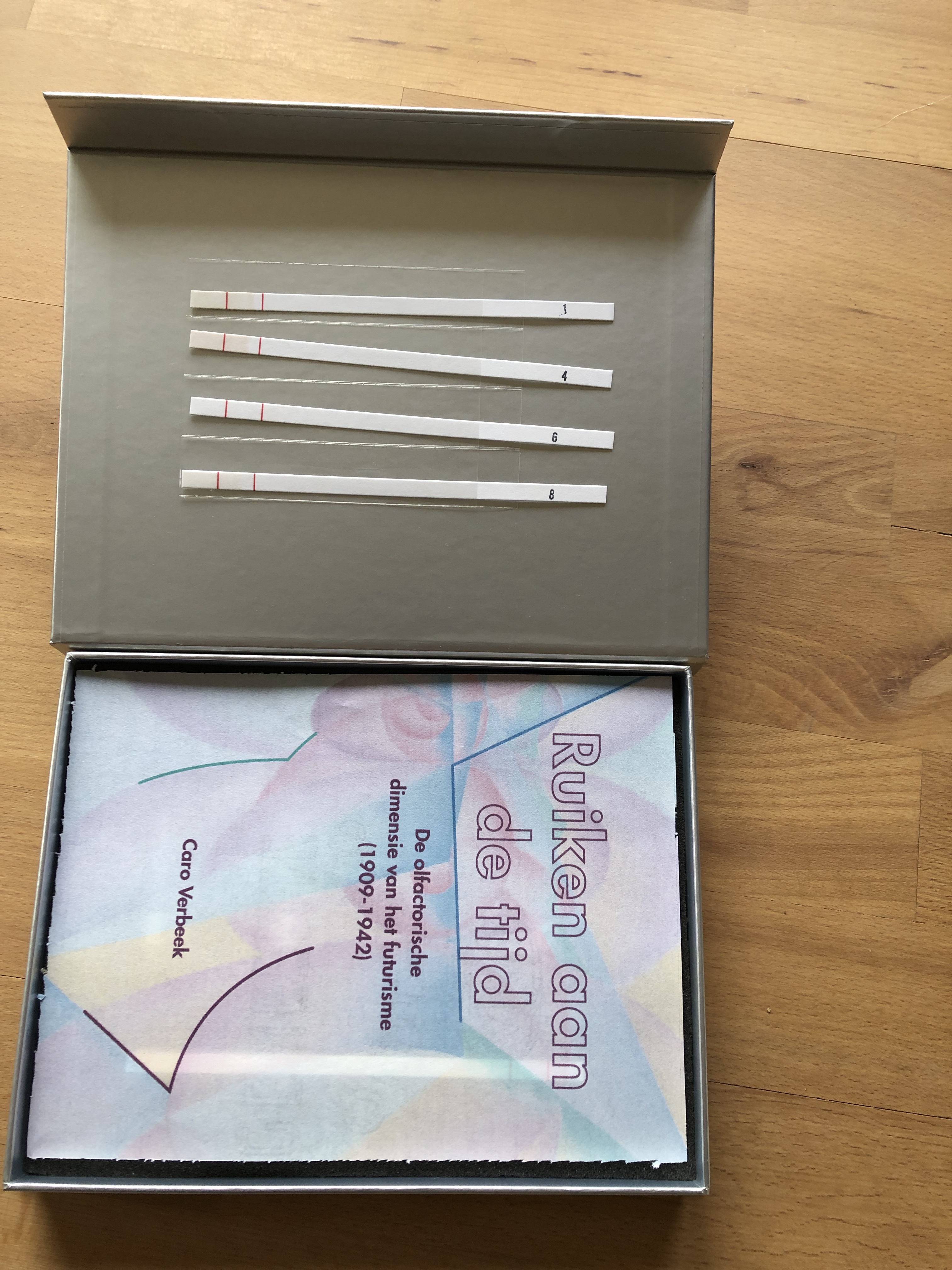

scent kit with olfactory illustrations of futurist scents and page from my PhD-manuscript with scent wheel/ pie chart categorising the types of scents the futurists used and mentioned fashioned after Kate McLean’s Urban Aroma Wheel. Copyright Caro Verbeek

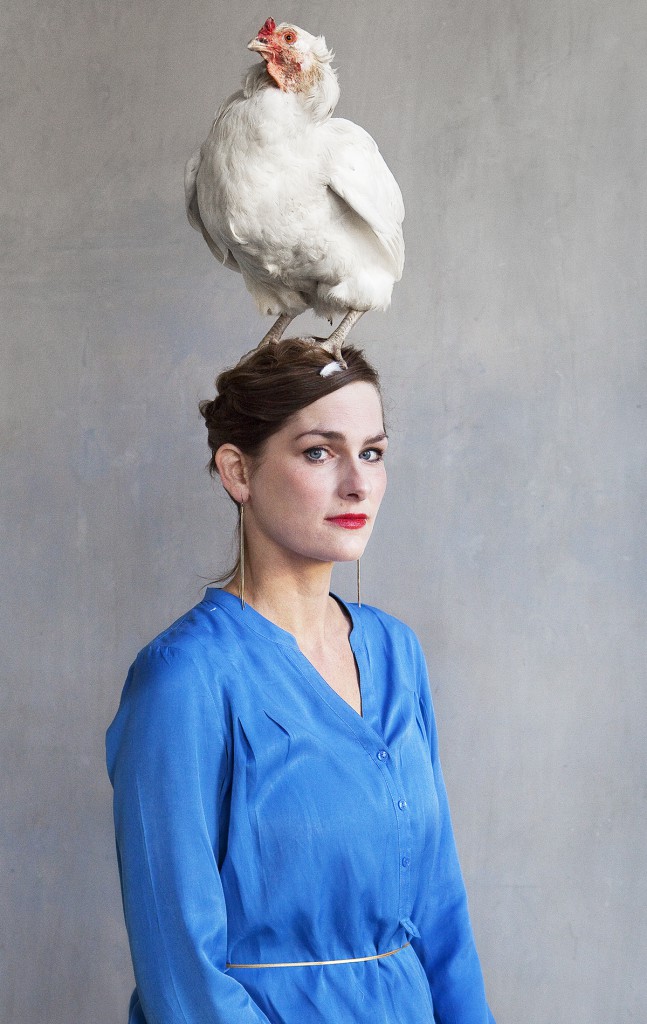


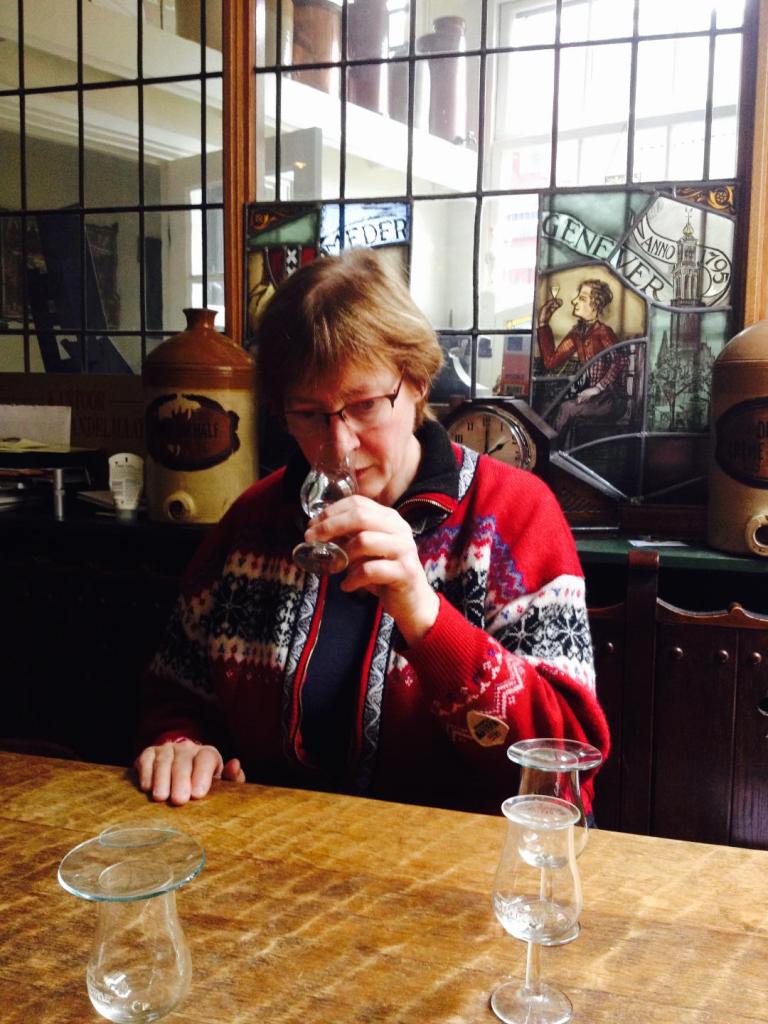
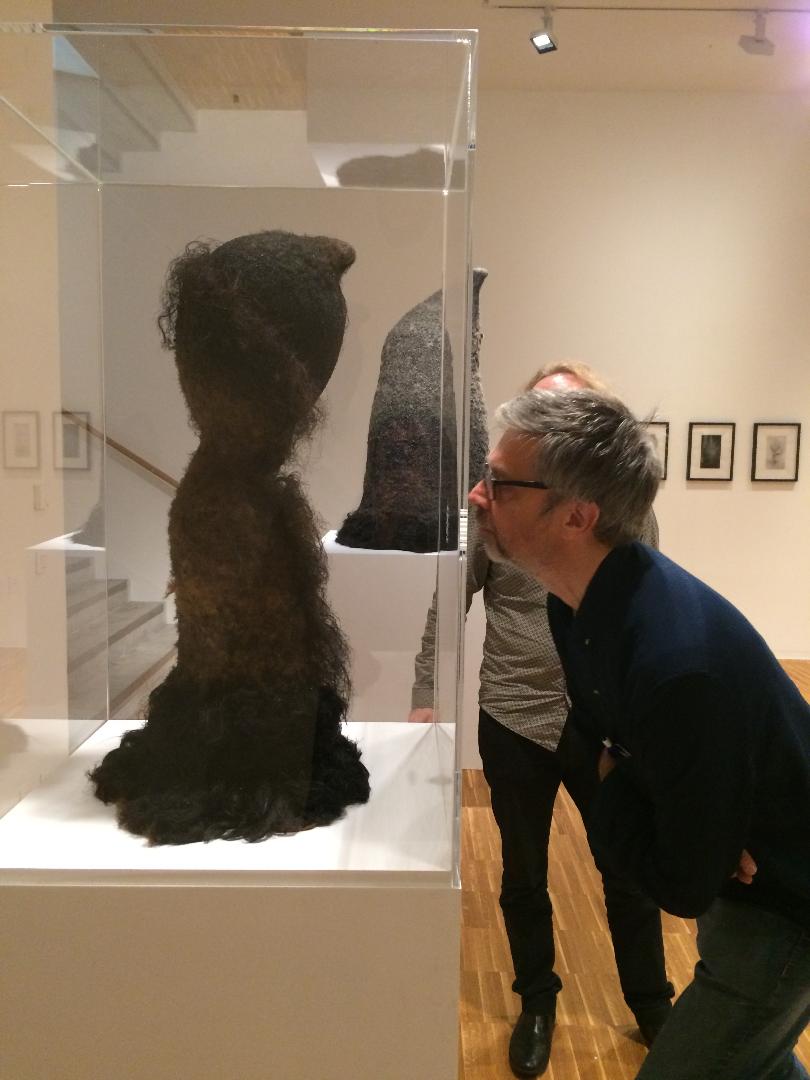

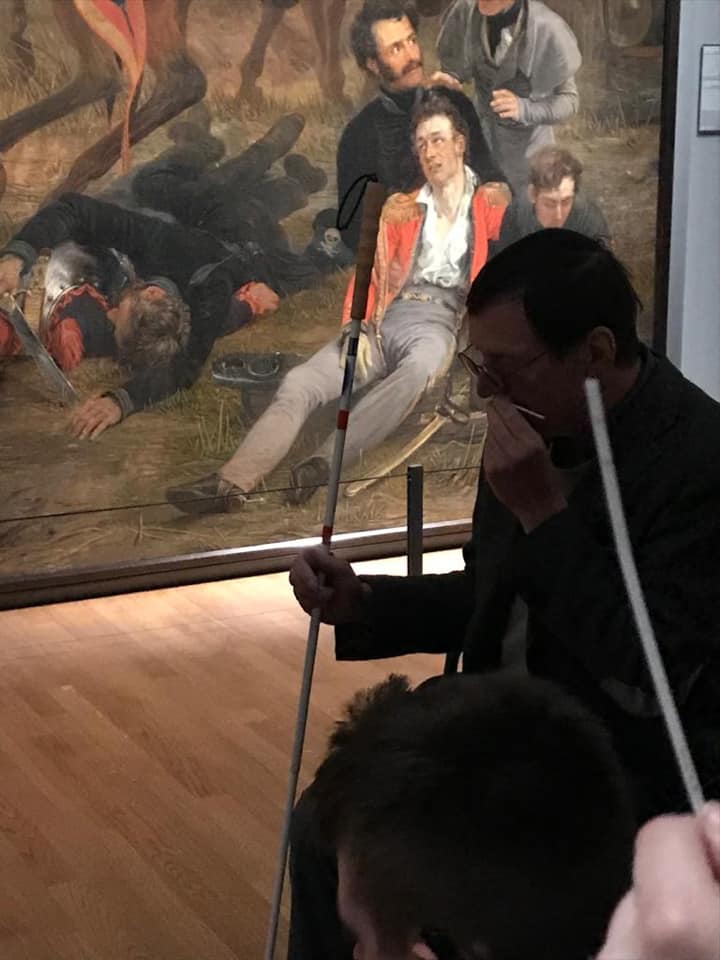
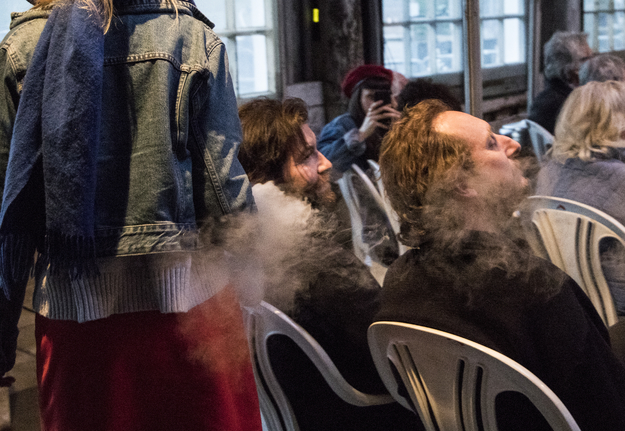


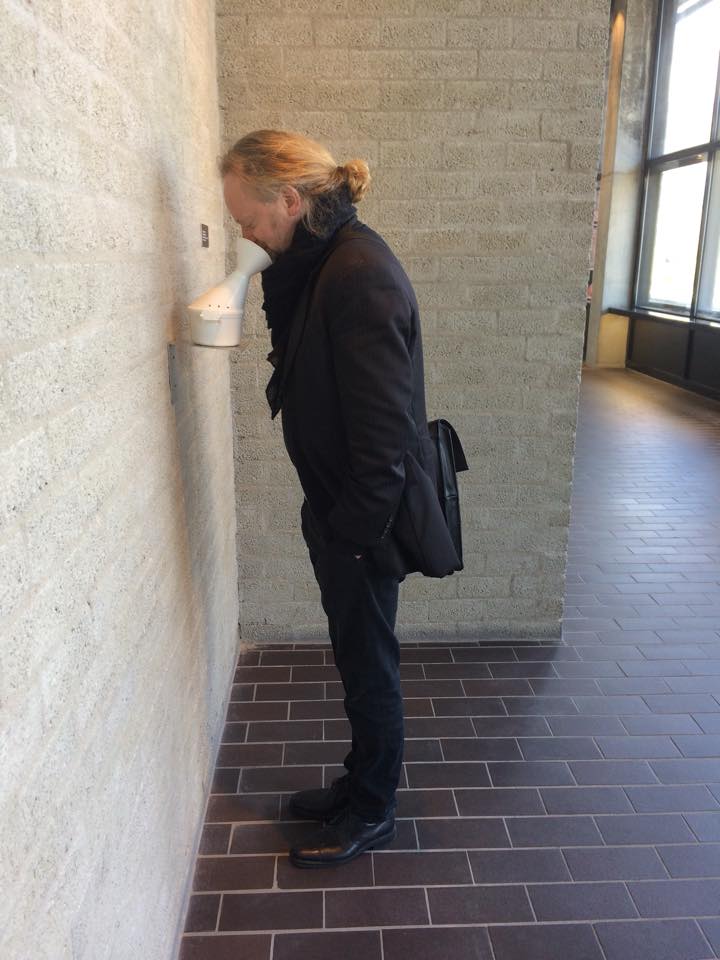

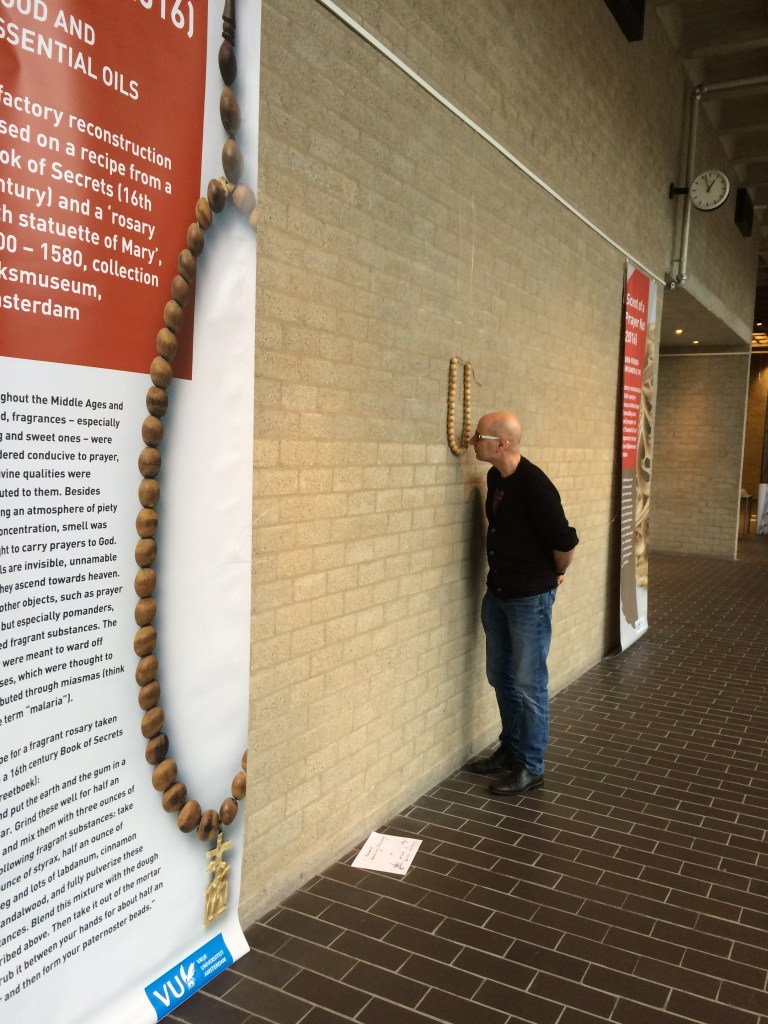

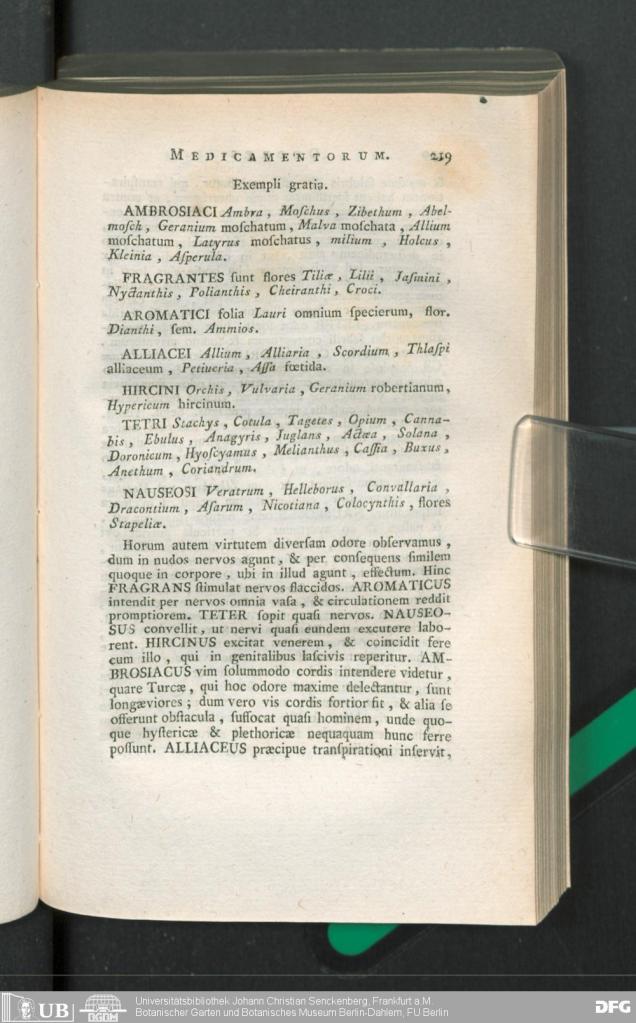
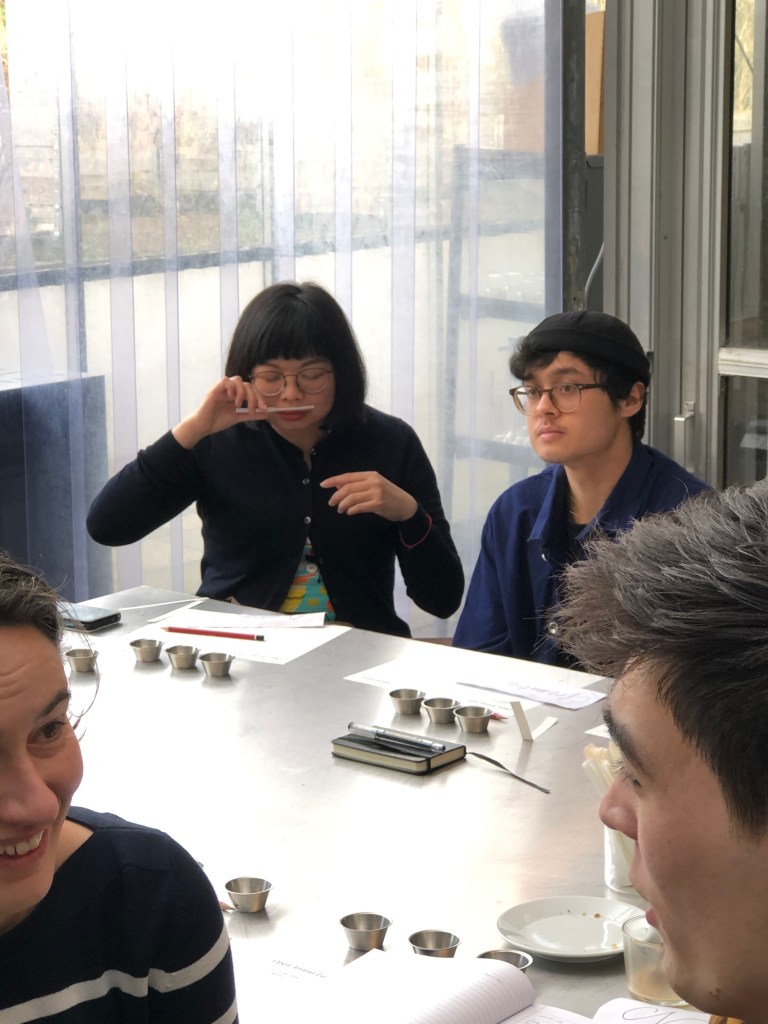
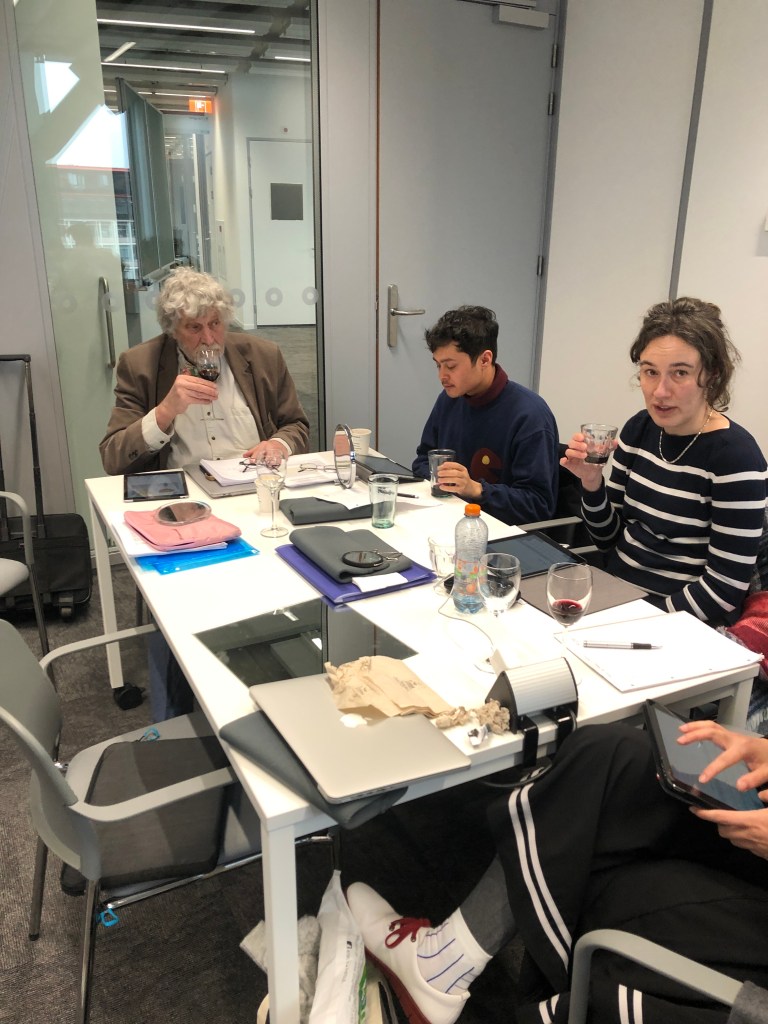

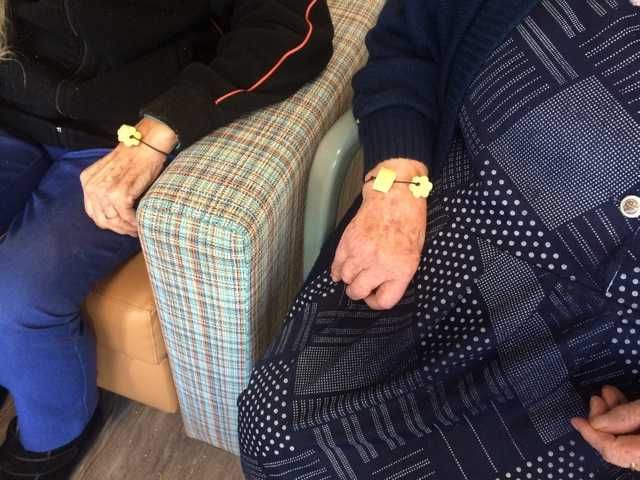
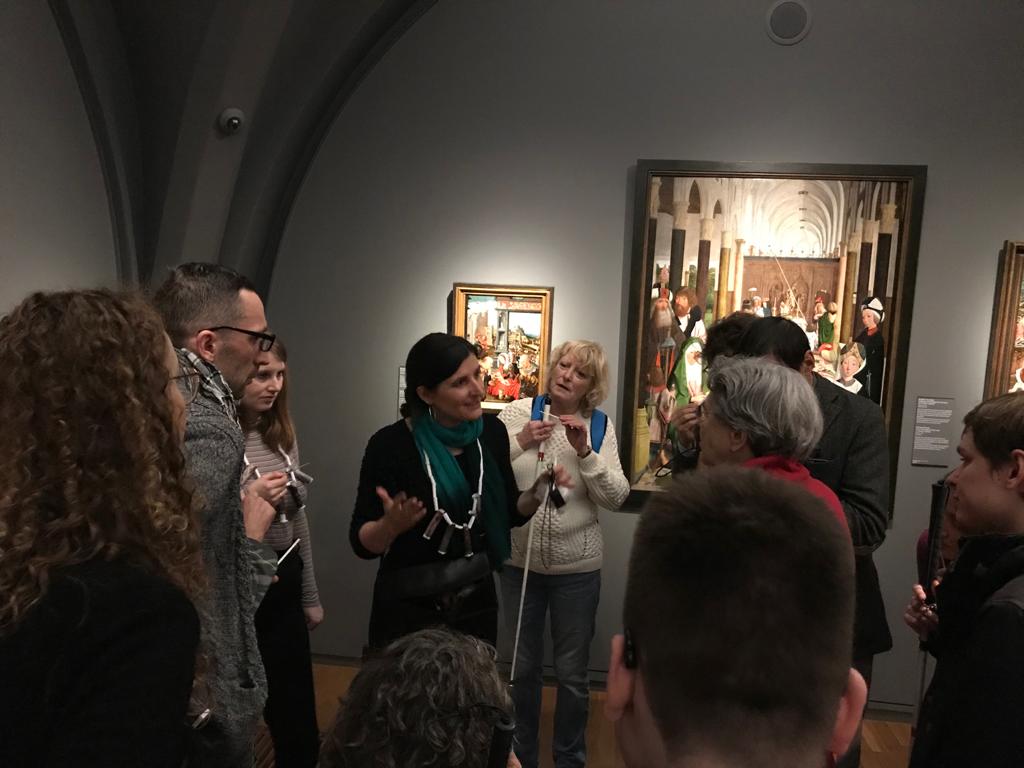 Olfactory tour for blind and near-sighted people at the Rijksmuseum. Some (including me) are wearing especially designed scent necklaces which are a co-creation and -design by Caro Verbeek, Justus Tomlow and Bernardo Fleming (IFF).
Understanding rituals by the sense of smell – The Adoration of the Magi
We started our multi-sensory tour in the dimly lit vaulted rooms that store medieval and renaissance art works. We halted at the painting ‘Adoration of the Magi’ by Geertgen tot Sint Jans. The artist confronts us with lavishly dressed men holding precious gifts in front of a new-born child sitting on the lap of his mother. After this description the participants recognized the biblical story of the three kings offering frankincense, myrrh and gold to Jesus without even hearing the title of the painting. Not mentioning such details leaves more room for the mind to explore and imagine.
Frankincense and myrrh were meant as burnt offerings to pay honour to kings and gods. In antiquity resins were burnt ‘per fumum’ (through smoke) to make its fragrant emanations reach the nostrils of divine beings. Every contemporary viewer of this painting would have understood that by offering these fragrances these royals symbolically acknowledged the divine and profane superiority of Christ; a meaning that got lost somewhere over the past centuries. And so did the meaning and aromatic quality of one of the scents.
The participants were enabled to actually smell myrrh as part of a story-telling technique. Its aromatic quality (bitter) is connected to its historical meaning: besides being an offering to a god, the bitterness of this resin was considered prophetic and referred to the future suffering of Christ. This means that sensory engagement can actually lead to a better understanding of past rituals. Here’s what participant Emilie De Lanoy Meijer recalled months later:
Olfactory tour for blind and near-sighted people at the Rijksmuseum. Some (including me) are wearing especially designed scent necklaces which are a co-creation and -design by Caro Verbeek, Justus Tomlow and Bernardo Fleming (IFF).
Understanding rituals by the sense of smell – The Adoration of the Magi
We started our multi-sensory tour in the dimly lit vaulted rooms that store medieval and renaissance art works. We halted at the painting ‘Adoration of the Magi’ by Geertgen tot Sint Jans. The artist confronts us with lavishly dressed men holding precious gifts in front of a new-born child sitting on the lap of his mother. After this description the participants recognized the biblical story of the three kings offering frankincense, myrrh and gold to Jesus without even hearing the title of the painting. Not mentioning such details leaves more room for the mind to explore and imagine.
Frankincense and myrrh were meant as burnt offerings to pay honour to kings and gods. In antiquity resins were burnt ‘per fumum’ (through smoke) to make its fragrant emanations reach the nostrils of divine beings. Every contemporary viewer of this painting would have understood that by offering these fragrances these royals symbolically acknowledged the divine and profane superiority of Christ; a meaning that got lost somewhere over the past centuries. And so did the meaning and aromatic quality of one of the scents.
The participants were enabled to actually smell myrrh as part of a story-telling technique. Its aromatic quality (bitter) is connected to its historical meaning: besides being an offering to a god, the bitterness of this resin was considered prophetic and referred to the future suffering of Christ. This means that sensory engagement can actually lead to a better understanding of past rituals. Here’s what participant Emilie De Lanoy Meijer recalled months later:
 Geertgen tot Sint Jans, Adoration of the Magi, 1480 – 1485. Two of the gifts offered to Jesus were scents. Myrrh literally translates as bitter and smells accordingly.
“As a fully blind individual I do not feel any connection to paintings, but rather to stories”
We then took a small detour to a so-called ‘pomander’ in the department of the ‘special collections’. Pomanders are metal jewels filled with fragrances, worn by people of high status such as doctors and lawyers. They were hung from a chain or ‘chatelaine’ so the scents could be taken to the nose at will. Fragrances were supposed to help protect people from diseases, which were thought to be caused by bad smells (think of ‘malaria’ which literally means ‘bad air’). Baring in mind the story surrounding the three magi: a pomander could also function as a prayer nut which contents were an offering or wordless prayer in itself.
Poor people had to make do with strong smelling cheaper products such as vinegar and rosemary to stay healthy, strengthening the already existing olfactory dichotomy poor/ foul – rich/ fragrant that still exists today.
The 17th century pomander in question consists of six compartments, not unlike an orange, or a hand with the palm facing up and the fingers brought together at the top. It can be opened by taking down one of the slices and opening its little drawer. I brought a pomander of about the same size from my own collection and made it pass from hand to hand so people could palpate it. The accompanying scent was a reconstructed recipe from a 16th century book of secrets (recipe book) which is also part of the collection of the Rijksmuseum. It contains nutmeg, clove, cinnamon, rose and (artificial) civet. One participant later recalled this part of the tour very vividly. Anita Gonzalez explained why:
Geertgen tot Sint Jans, Adoration of the Magi, 1480 – 1485. Two of the gifts offered to Jesus were scents. Myrrh literally translates as bitter and smells accordingly.
“As a fully blind individual I do not feel any connection to paintings, but rather to stories”
We then took a small detour to a so-called ‘pomander’ in the department of the ‘special collections’. Pomanders are metal jewels filled with fragrances, worn by people of high status such as doctors and lawyers. They were hung from a chain or ‘chatelaine’ so the scents could be taken to the nose at will. Fragrances were supposed to help protect people from diseases, which were thought to be caused by bad smells (think of ‘malaria’ which literally means ‘bad air’). Baring in mind the story surrounding the three magi: a pomander could also function as a prayer nut which contents were an offering or wordless prayer in itself.
Poor people had to make do with strong smelling cheaper products such as vinegar and rosemary to stay healthy, strengthening the already existing olfactory dichotomy poor/ foul – rich/ fragrant that still exists today.
The 17th century pomander in question consists of six compartments, not unlike an orange, or a hand with the palm facing up and the fingers brought together at the top. It can be opened by taking down one of the slices and opening its little drawer. I brought a pomander of about the same size from my own collection and made it pass from hand to hand so people could palpate it. The accompanying scent was a reconstructed recipe from a 16th century book of secrets (recipe book) which is also part of the collection of the Rijksmuseum. It contains nutmeg, clove, cinnamon, rose and (artificial) civet. One participant later recalled this part of the tour very vividly. Anita Gonzalez explained why:
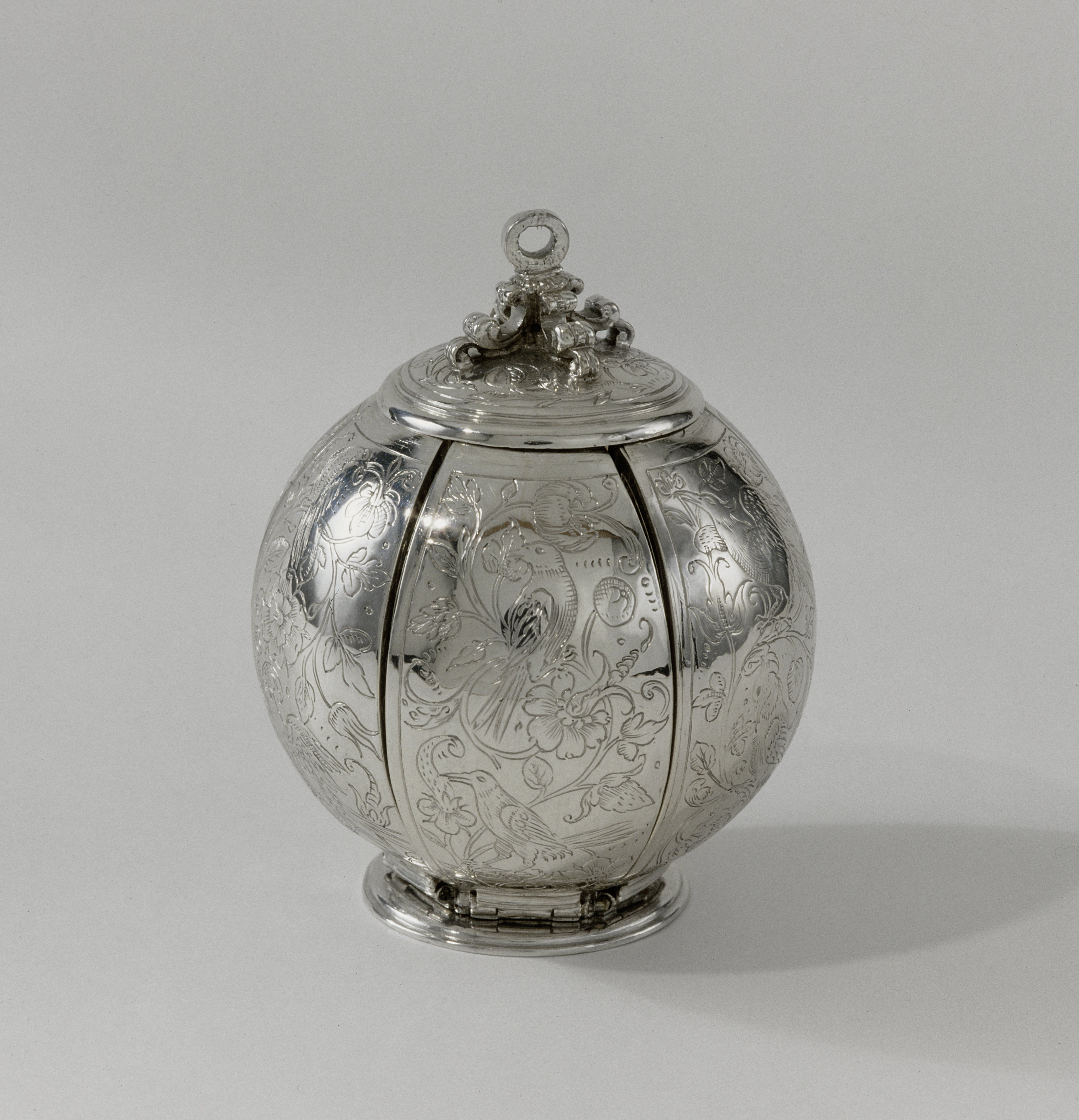 Anonymous, compartmentalised pomander, 16th century, 1600 – 1625.
“Art always alludes to its original invisibility, which belongs to the nature of all things, ill-represented by words”
One could argue that museums of visual art are all about objects and their visibilty, but as the quote by Gonzalez illustrates this isn’t the case. Artefacts and paintings refer to and represent concepts, multi-sensory experiences and stories that aren’t just accessible through the eyes, as Bacci and Melcher explain in ‘Art & The Senses (2011):
Anonymous, compartmentalised pomander, 16th century, 1600 – 1625.
“Art always alludes to its original invisibility, which belongs to the nature of all things, ill-represented by words”
One could argue that museums of visual art are all about objects and their visibilty, but as the quote by Gonzalez illustrates this isn’t the case. Artefacts and paintings refer to and represent concepts, multi-sensory experiences and stories that aren’t just accessible through the eyes, as Bacci and Melcher explain in ‘Art & The Senses (2011):
 Participants gently touching elements in the 18th century Beuning Room, ca. 1745.
Amsterdam was a very damp place, due to the many canals and lack of double walls. In order to keep moist levels down and fight the smell of mildew and mold (which in Dutch would be described as ‘muf’) burnt fires and people threw resins and spices in the fireplace, rendering the air sweet and pleasant. The outdoor smells of horses, the canal (which was used as a sewer) and the many lime blossom trees, would still penetrate the interior of the house and mingle with the others.
Smelling, touching, listening and also kinaesthesia (sense of space through movement), can really transform a distant object, into an immersive lived experience.
The emanations of the Battle of Waterloo
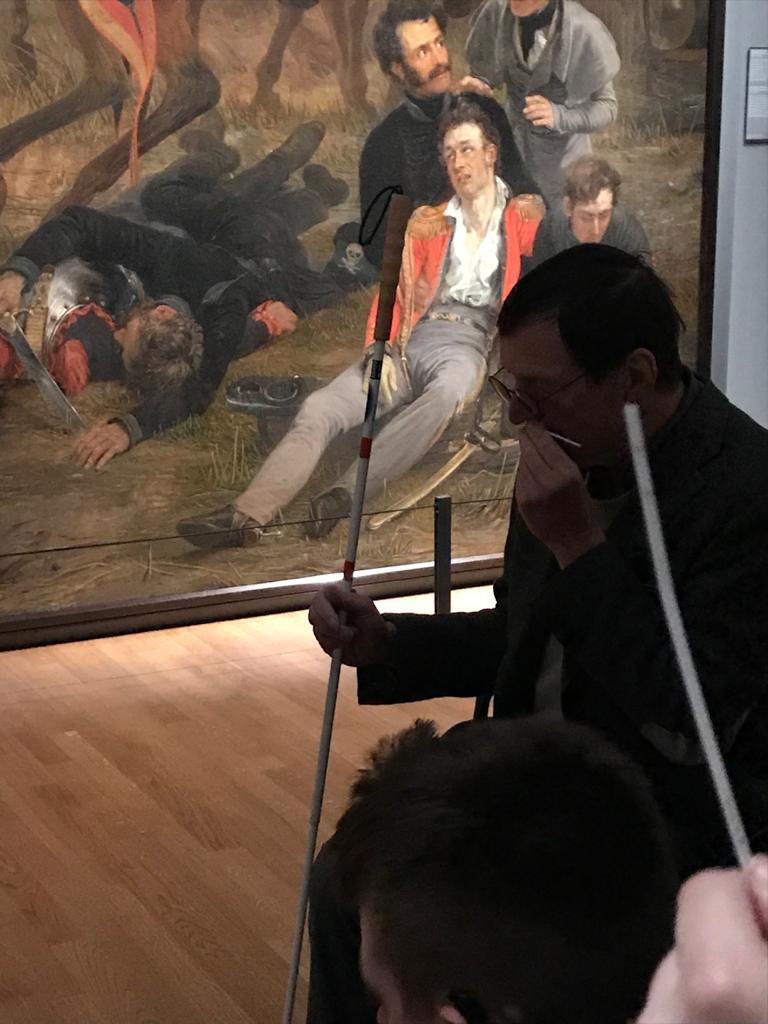
We then set off to the department of 19th century art and history (we crossed the entire museum) to find out more about the largest painting in the collection “The Battle of Waterloo” by Jan Willem Pieneman (1824). I first walked the full length of the painting so people could hear its vast size by listening to my footsteps. Only then I tried to explain the depicted situation. Several victorious and heroic men on horses are set against a background of thousands of soldiers depicting different stages of the battle. Wellington with his shiny leather boots takes centre stage. The top half of the painting is filled with dark clouds, giving an indication of the harsh weather conditions on that fateful summer day. In the foreground we see wounded soldiers lying on the floor. A lonely canon ball stuck in a muddy puddle tells the story of Napoleon’s defeat: he had hoped his artillery would have led him to victory. But the mud prevented the cannon balls from reaching their desired destinations.
The scent that was especially composed for this painting – created by senior nose Birgit Sijbrands of IFF – reflected many of the visible elements of the story: the weather, damp earth and grass, gunpowder, leather and horses. Even the smell of anxiety, expressed most lively in the eyes of the horses, made its way into the smell. Since human beings are capable of smelling emotions, the smell yields more discomfort than the painting itself.
Participants gently touching elements in the 18th century Beuning Room, ca. 1745.
Amsterdam was a very damp place, due to the many canals and lack of double walls. In order to keep moist levels down and fight the smell of mildew and mold (which in Dutch would be described as ‘muf’) burnt fires and people threw resins and spices in the fireplace, rendering the air sweet and pleasant. The outdoor smells of horses, the canal (which was used as a sewer) and the many lime blossom trees, would still penetrate the interior of the house and mingle with the others.
Smelling, touching, listening and also kinaesthesia (sense of space through movement), can really transform a distant object, into an immersive lived experience.
The emanations of the Battle of Waterloo
We then set off to the department of 19th century art and history (we crossed the entire museum) to find out more about the largest painting in the collection “The Battle of Waterloo” by Jan Willem Pieneman (1824). I first walked the full length of the painting so people could hear its vast size by listening to my footsteps. Only then I tried to explain the depicted situation. Several victorious and heroic men on horses are set against a background of thousands of soldiers depicting different stages of the battle. Wellington with his shiny leather boots takes centre stage. The top half of the painting is filled with dark clouds, giving an indication of the harsh weather conditions on that fateful summer day. In the foreground we see wounded soldiers lying on the floor. A lonely canon ball stuck in a muddy puddle tells the story of Napoleon’s defeat: he had hoped his artillery would have led him to victory. But the mud prevented the cannon balls from reaching their desired destinations.
The scent that was especially composed for this painting – created by senior nose Birgit Sijbrands of IFF – reflected many of the visible elements of the story: the weather, damp earth and grass, gunpowder, leather and horses. Even the smell of anxiety, expressed most lively in the eyes of the horses, made its way into the smell. Since human beings are capable of smelling emotions, the smell yields more discomfort than the painting itself.
 In front of the Battle of Waterloo by Pieneman, 1824.
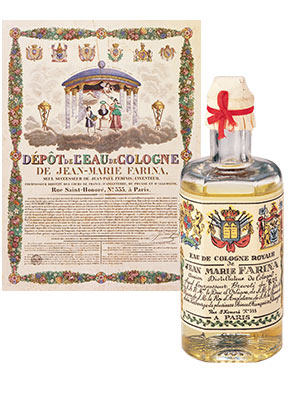
But one element that was present at Waterloo is not accessible through our eyes at all. Everyday, and also the day of his defeat, Napoleon wore his favorite perfume: acqua mirabilis by Farina. He used it to mask the evil smells of battle but also to stay healthy (remember the pomander). This perfume was used in almost every war since by many soldiers and for the same reasons.
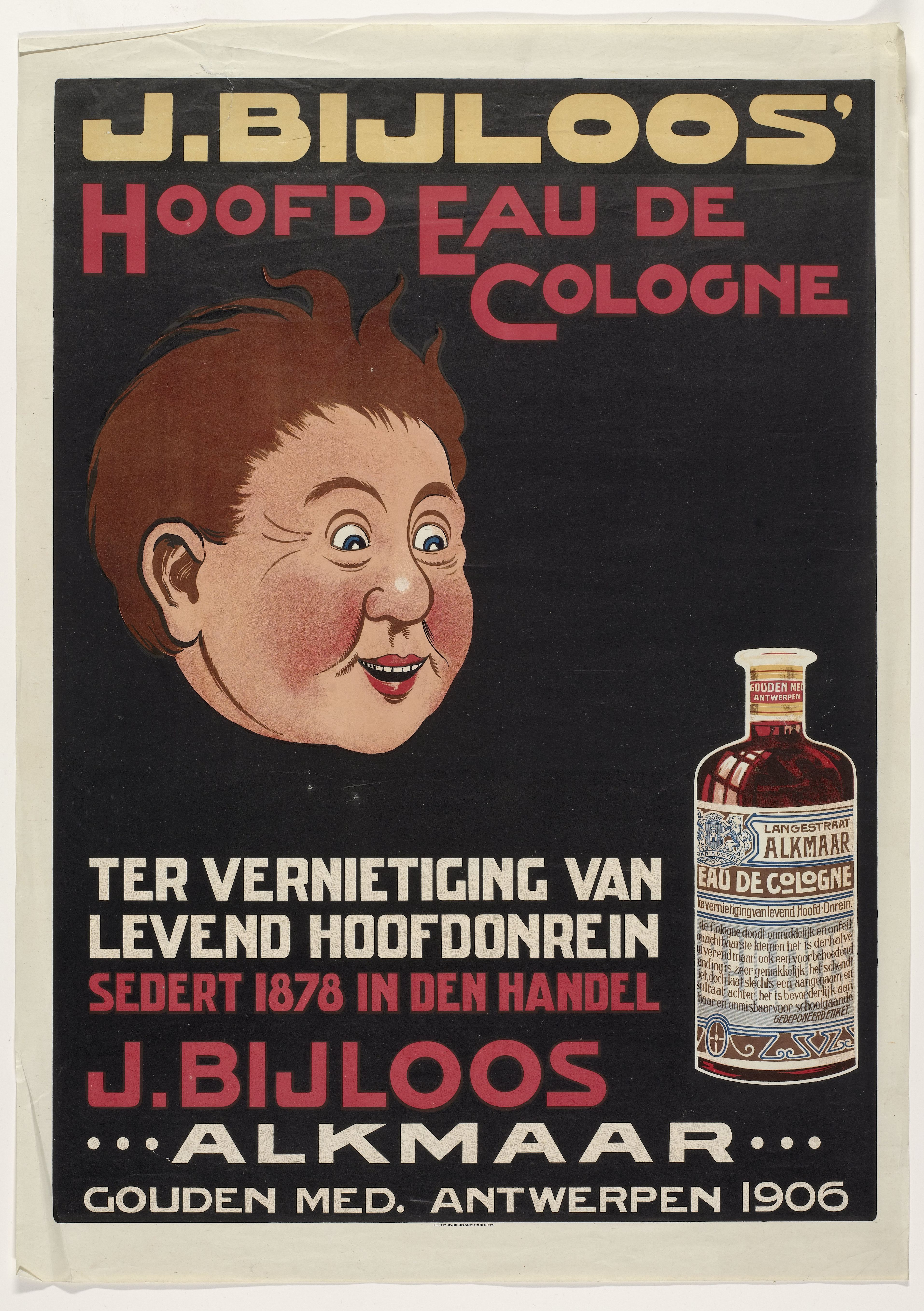
Since this scent is now widely known as 4711 Eau de Cologne, many participants relived episodes from their childhood or suddenly remembered their mothers. That means that a smell can make us feel more closely connected to a historical episode while simultaneously addressing individual experiences. This might be why most participants remembered this part of the tour most clearly:
De Lanoy Meijer recalls:
In front of the Battle of Waterloo by Pieneman, 1824.
But one element that was present at Waterloo is not accessible through our eyes at all. Everyday, and also the day of his defeat, Napoleon wore his favorite perfume: acqua mirabilis by Farina. He used it to mask the evil smells of battle but also to stay healthy (remember the pomander). This perfume was used in almost every war since by many soldiers and for the same reasons.
Since this scent is now widely known as 4711 Eau de Cologne, many participants relived episodes from their childhood or suddenly remembered their mothers. That means that a smell can make us feel more closely connected to a historical episode while simultaneously addressing individual experiences. This might be why most participants remembered this part of the tour most clearly:
De Lanoy Meijer recalls:
 Hannes Wallrafen smelling the Battle of Waterloo composition by Birgit Sijbrands. Picture by Cathelijne Denekamp.
Nostalgia for the nose
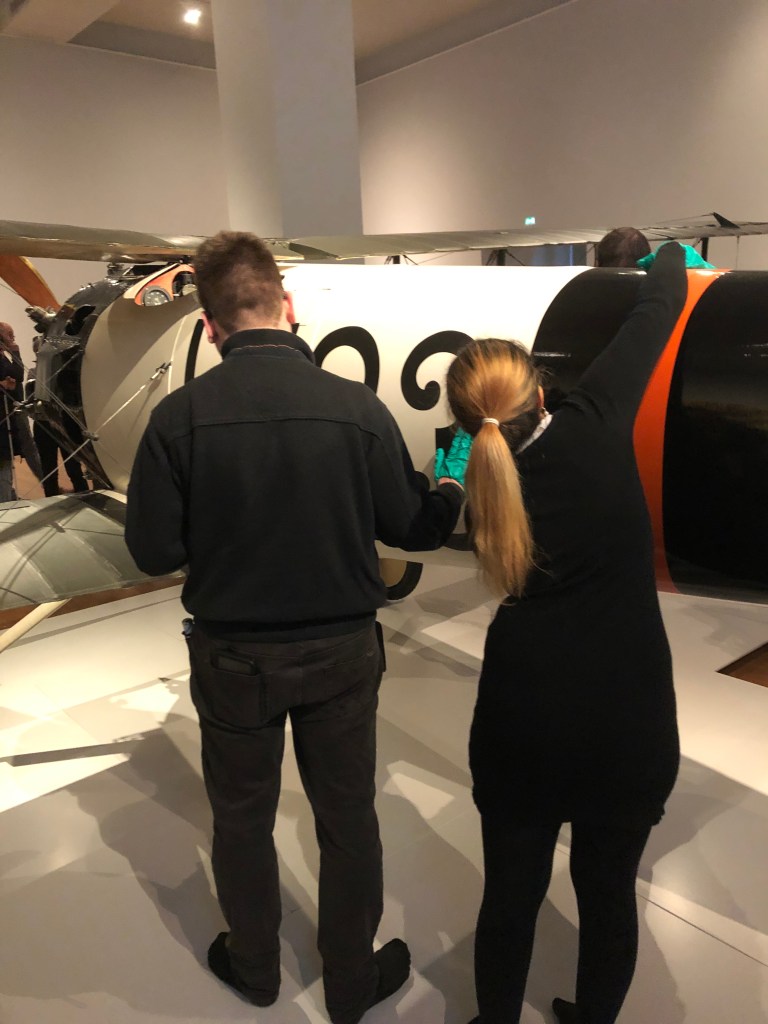
We concluded our tour in the ‘attic’ of the museum, touching and smelling the 20th century Bantam airplane. As clinical and pristine as it may look in the museum, it was originally a machine of war that made loud violent noises, that shook heavily, and that spilled motor oil all over the pilot’s face. Since many people still recognize the scent of oil and gasoline, this scent brought up a lot of memories:
De Lanoy Meijer:
Hannes Wallrafen smelling the Battle of Waterloo composition by Birgit Sijbrands. Picture by Cathelijne Denekamp.
Nostalgia for the nose
We concluded our tour in the ‘attic’ of the museum, touching and smelling the 20th century Bantam airplane. As clinical and pristine as it may look in the museum, it was originally a machine of war that made loud violent noises, that shook heavily, and that spilled motor oil all over the pilot’s face. Since many people still recognize the scent of oil and gasoline, this scent brought up a lot of memories:
De Lanoy Meijer:

 Participants touching and smelling the 1918 Bantam Airplane.
The beauty of a scent tour is that its effects last for months (or even years). Half a year after conducting the tour I spoke to participant Joris Rademakers who is low sighted and also slightly anosmic (smell-blind). The strong smell of oil and gasoline evoked in him a great sense of freedom and pleasure, by just imagining it:
Participants touching and smelling the 1918 Bantam Airplane.
The beauty of a scent tour is that its effects last for months (or even years). Half a year after conducting the tour I spoke to participant Joris Rademakers who is low sighted and also slightly anosmic (smell-blind). The strong smell of oil and gasoline evoked in him a great sense of freedom and pleasure, by just imagining it:

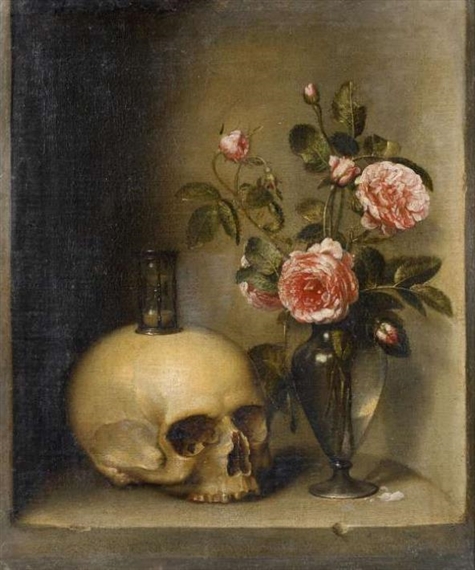 Dutch 17th century vanitas.
Depicting the Invisible
A vanitas element that is often overlooked – partially because it is invisible – is smell. Scent, being inherently volatile, disappears. Its very essence is ephemeral and transient, just like time itself. In fact, the flowers in still-lifes should be regarded as multi-sensory carriers of meaning. As their petals and stems wither, so will their aroma, from floral to putrid until the scent completely disappears. Incense burners visibly emitting smoke are a more explicit and very clever way of depicting that very aspect of scent, like in this still life by Edwaert Collier from 1693.
Dutch 17th century vanitas.
Depicting the Invisible
A vanitas element that is often overlooked – partially because it is invisible – is smell. Scent, being inherently volatile, disappears. Its very essence is ephemeral and transient, just like time itself. In fact, the flowers in still-lifes should be regarded as multi-sensory carriers of meaning. As their petals and stems wither, so will their aroma, from floral to putrid until the scent completely disappears. Incense burners visibly emitting smoke are a more explicit and very clever way of depicting that very aspect of scent, like in this still life by Edwaert Collier from 1693.
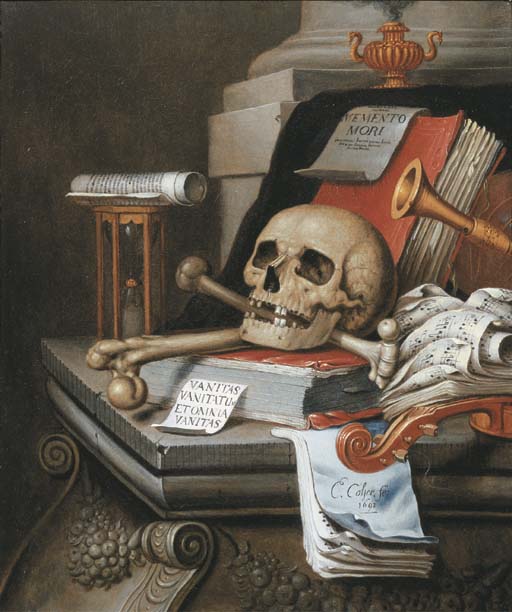 Edwaert Collier, “Vanitas Still Life” with an incense burner at the top right, 1693.
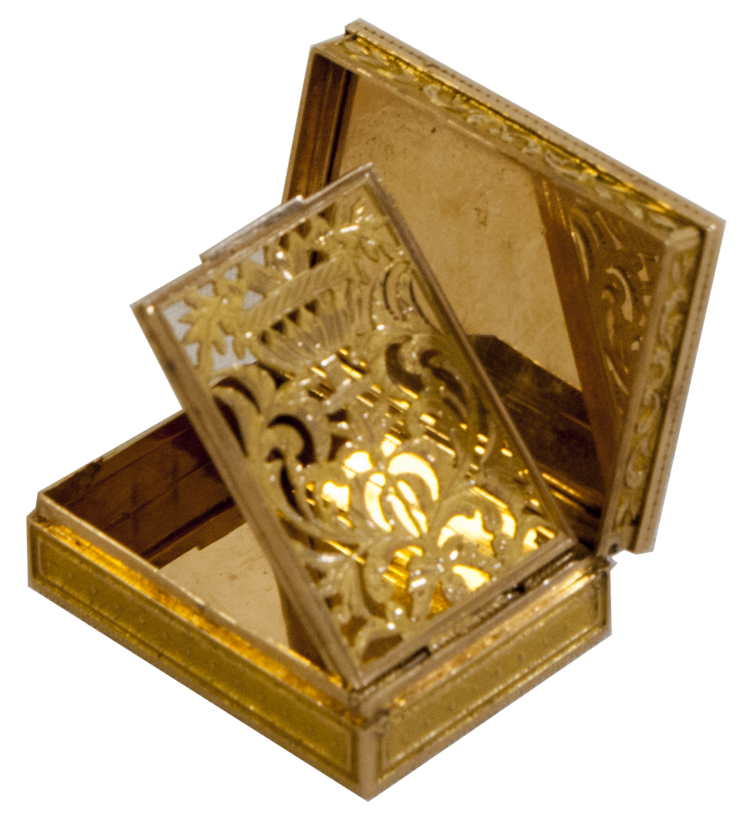
But there are even more apparent examples. This 18th century pomander disguised as a (mock) watch is one of them. A pomander (derived from ‘pomme d’ambre’) was an item (usually made of metal) filled with fragrant substances such as clove, nutmeg, musk and ambergris. Pomanders were used to protect oneself by ‘cleansing the air’, since bad smells (miasmas) were thought to transmit diseases such as the plague (more on miasma-theory
Edwaert Collier, “Vanitas Still Life” with an incense burner at the top right, 1693.
But there are even more apparent examples. This 18th century pomander disguised as a (mock) watch is one of them. A pomander (derived from ‘pomme d’ambre’) was an item (usually made of metal) filled with fragrant substances such as clove, nutmeg, musk and ambergris. Pomanders were used to protect oneself by ‘cleansing the air’, since bad smells (miasmas) were thought to transmit diseases such as the plague (more on miasma-theory 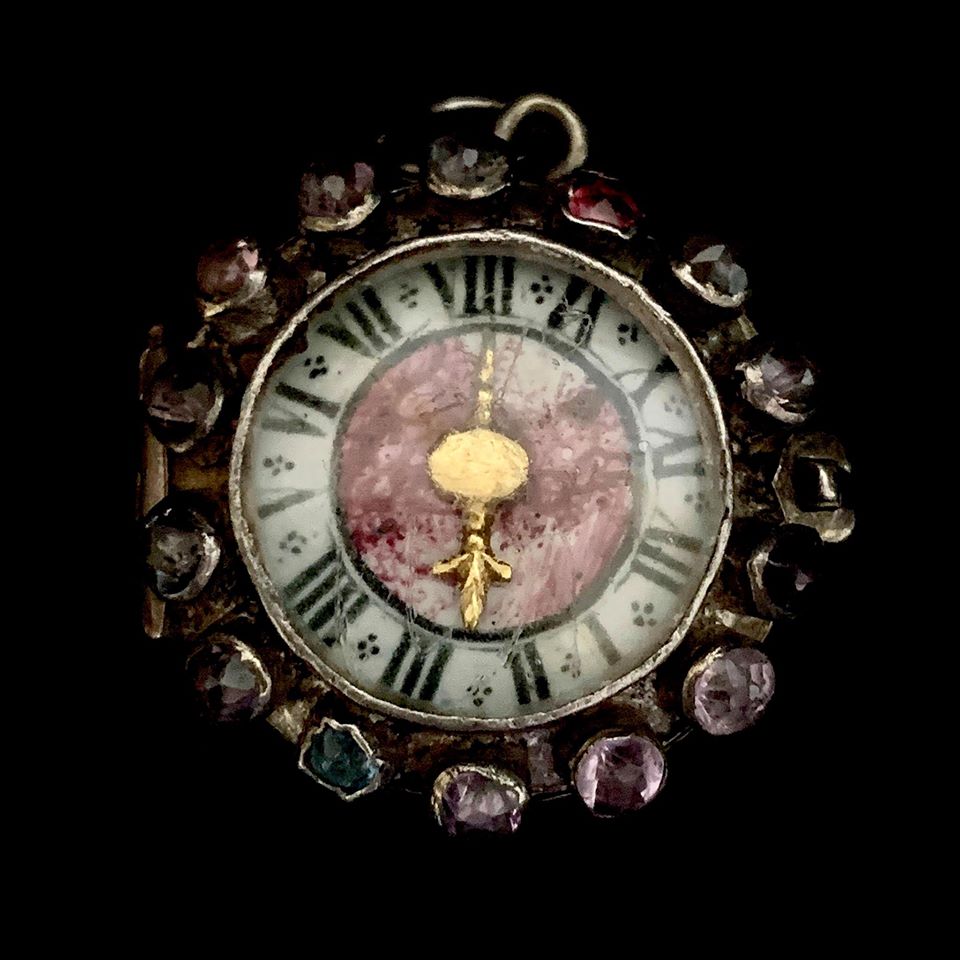
 Pomander-watch. Before 1750. Currently owned by
  Edward Kienholz, inside of “The Beanery”, 1965, collection Stedelijk Museum.
The visitors on the stools and elsewhere in the bar all have clocks for heads, the clock-hands fixated in an eternal smile at 10 to 2. This scene can actually be considered a 3-D vanitas still-life visually frozen in time whereas the sound and the smell are actually time-based performative elements that keep on unwinding.
There is an old newspaper outside the bar that says ‘children are killing children in Vietnam’. The overall message is clear: while the people in the bar are spending their time in vain, innocent children at the other side of the globe are murdered and nothing is done to prevent it.
The Time Capsule Preserving Scent
Although (or rather because) the olfactory dimension of “the Beanery” is time-based it is also limited. It had to be reconstructed several times by the conservators of the Stedelijk Museum.
Exactly half a century after “the Beanery” saw the light artist Esther Brakenhoff (who works at the library of the Stedelijk) was inspired by the analogy between time and smell in Kienholz’s installation. She created a capsule shaped like a classic clock with a reconstruction of the scent inside of it.
Edward Kienholz, inside of “The Beanery”, 1965, collection Stedelijk Museum.
The visitors on the stools and elsewhere in the bar all have clocks for heads, the clock-hands fixated in an eternal smile at 10 to 2. This scene can actually be considered a 3-D vanitas still-life visually frozen in time whereas the sound and the smell are actually time-based performative elements that keep on unwinding.
There is an old newspaper outside the bar that says ‘children are killing children in Vietnam’. The overall message is clear: while the people in the bar are spending their time in vain, innocent children at the other side of the globe are murdered and nothing is done to prevent it.
The Time Capsule Preserving Scent
Although (or rather because) the olfactory dimension of “the Beanery” is time-based it is also limited. It had to be reconstructed several times by the conservators of the Stedelijk Museum.
Exactly half a century after “the Beanery” saw the light artist Esther Brakenhoff (who works at the library of the Stedelijk) was inspired by the analogy between time and smell in Kienholz’s installation. She created a capsule shaped like a classic clock with a reconstruction of the scent inside of it.
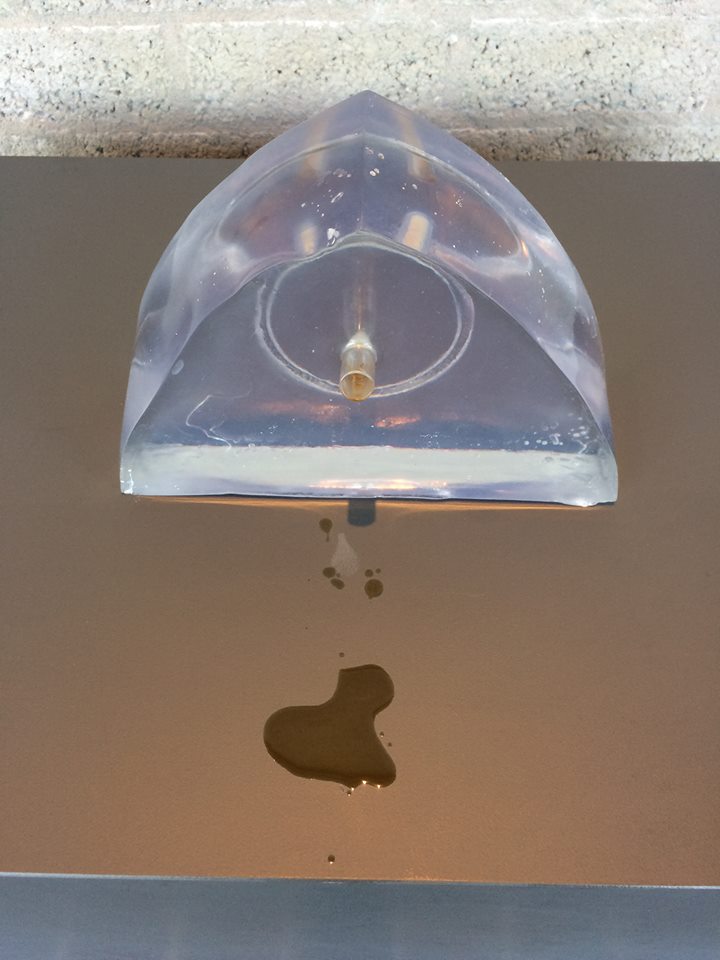 Esther Brakenhoff, “Fragrance Capsule, Edward Kienholz – the Beanery”, 2015, private collection artist. Someone had tipped over the sculpture, spilling urine all over the pedestal. Kienholz would probably have loved it.
Smell is connected to time in both a concrete and poetic manner. They are both invisible and immaterial. Both force us to pay attention to the present moment. And they are interwoven phenomena: as time ‘keeps on slipping into the future’ so does scent as time passes by. Dogs are even said to experience time by their sense of smell. They know when their owners are returning from work because their scent trail has diminished to a certain extend.
Ironically some scents fade slower than sounds and images. They can linger for a while as an olfactory echo until these too vanish forever, reminding us of the temporality of life (memento mori!).
Keep on smelling
Watch my Tedx-talk “Inhaling the Past – Smelling the Future” (2016) here:
Esther Brakenhoff, “Fragrance Capsule, Edward Kienholz – the Beanery”, 2015, private collection artist. Someone had tipped over the sculpture, spilling urine all over the pedestal. Kienholz would probably have loved it.
Smell is connected to time in both a concrete and poetic manner. They are both invisible and immaterial. Both force us to pay attention to the present moment. And they are interwoven phenomena: as time ‘keeps on slipping into the future’ so does scent as time passes by. Dogs are even said to experience time by their sense of smell. They know when their owners are returning from work because their scent trail has diminished to a certain extend.
Ironically some scents fade slower than sounds and images. They can linger for a while as an olfactory echo until these too vanish forever, reminding us of the temporality of life (memento mori!).
Keep on smelling
Watch my Tedx-talk “Inhaling the Past – Smelling the Future” (2016) here: 
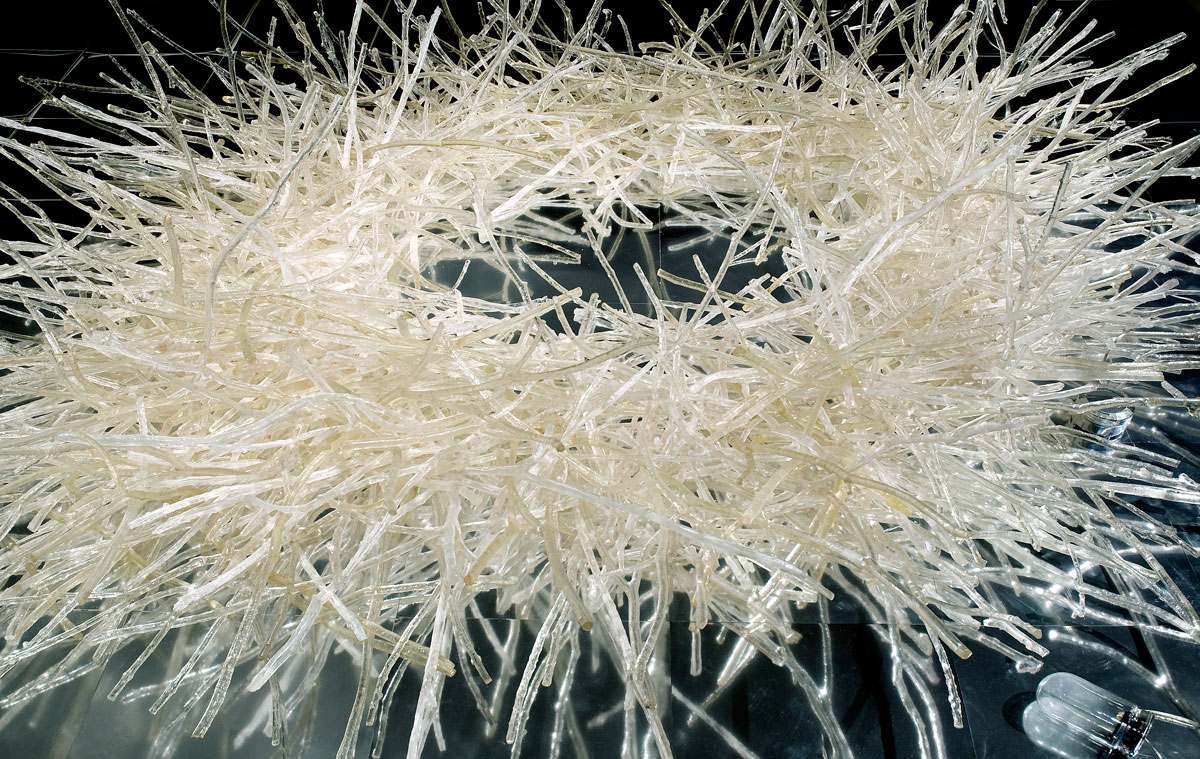





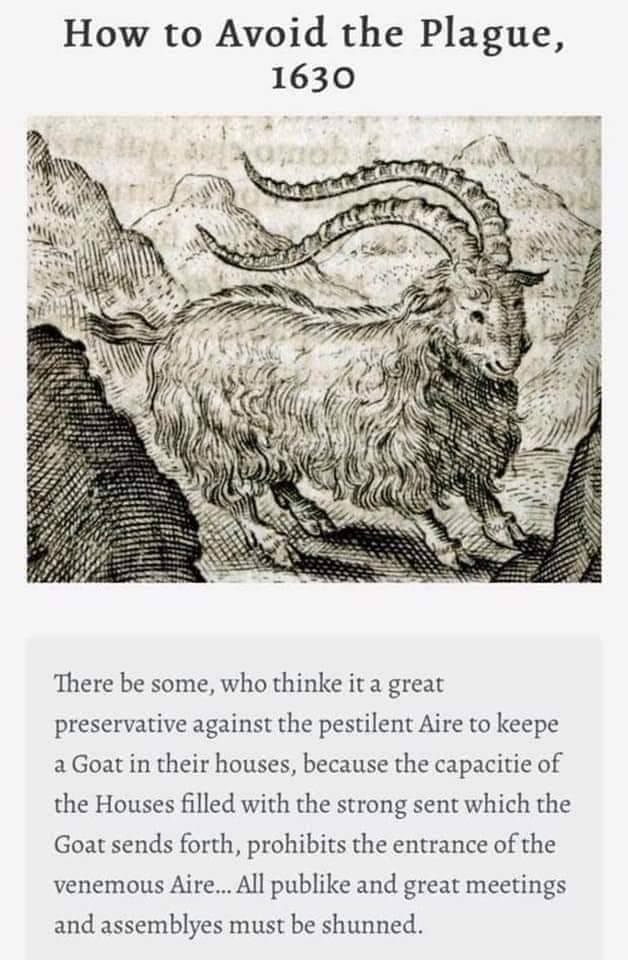 How to avoid the plague, 1630
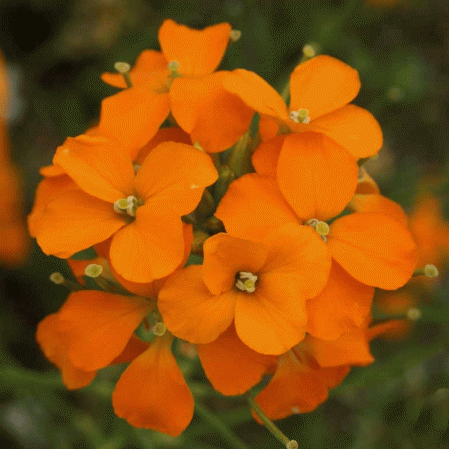
 Wallflower and detail of ‘Allegory of Smell’ of the same flower by Guillaume Collaert, 17th century.
 Apothecary shop where Theriaca was made and sold. Illustration from Tacuinum sanitatis, 14th century.
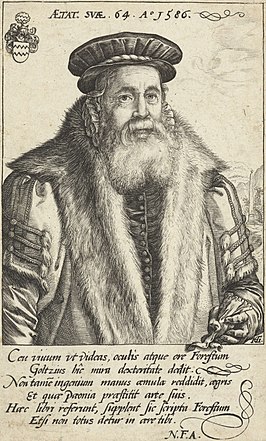 Anonymous, engraving after design by
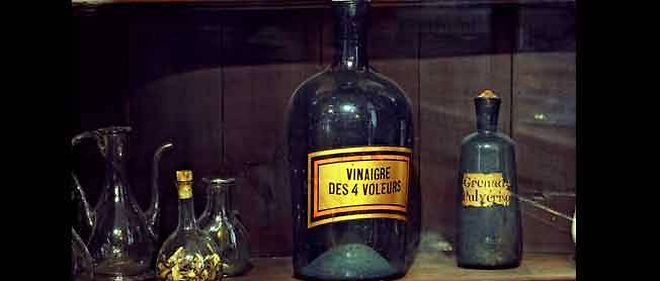 An allegedly original bottle containing the miracle concoction was shown at the 1900 World Fair in Paris, much to the surprise of perfume expert Robert de Montesquiou who wrote in his treaty ‘Pays des Aromats’ (1900) that:
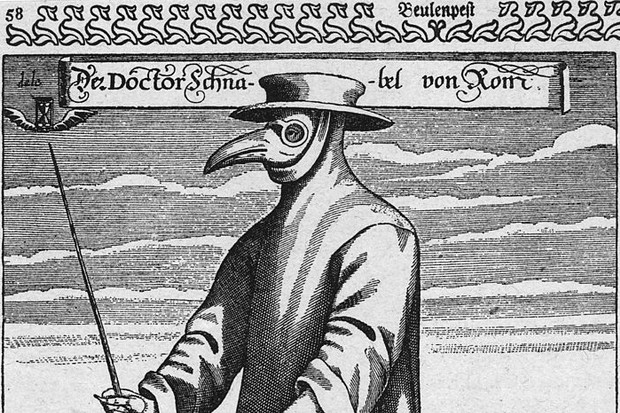
 Doctor Schnabel von Rom (plague doctor), engraving, 1656.
 Futurist Scents