by Dr. Caro Verbeek, sensory historian and curator

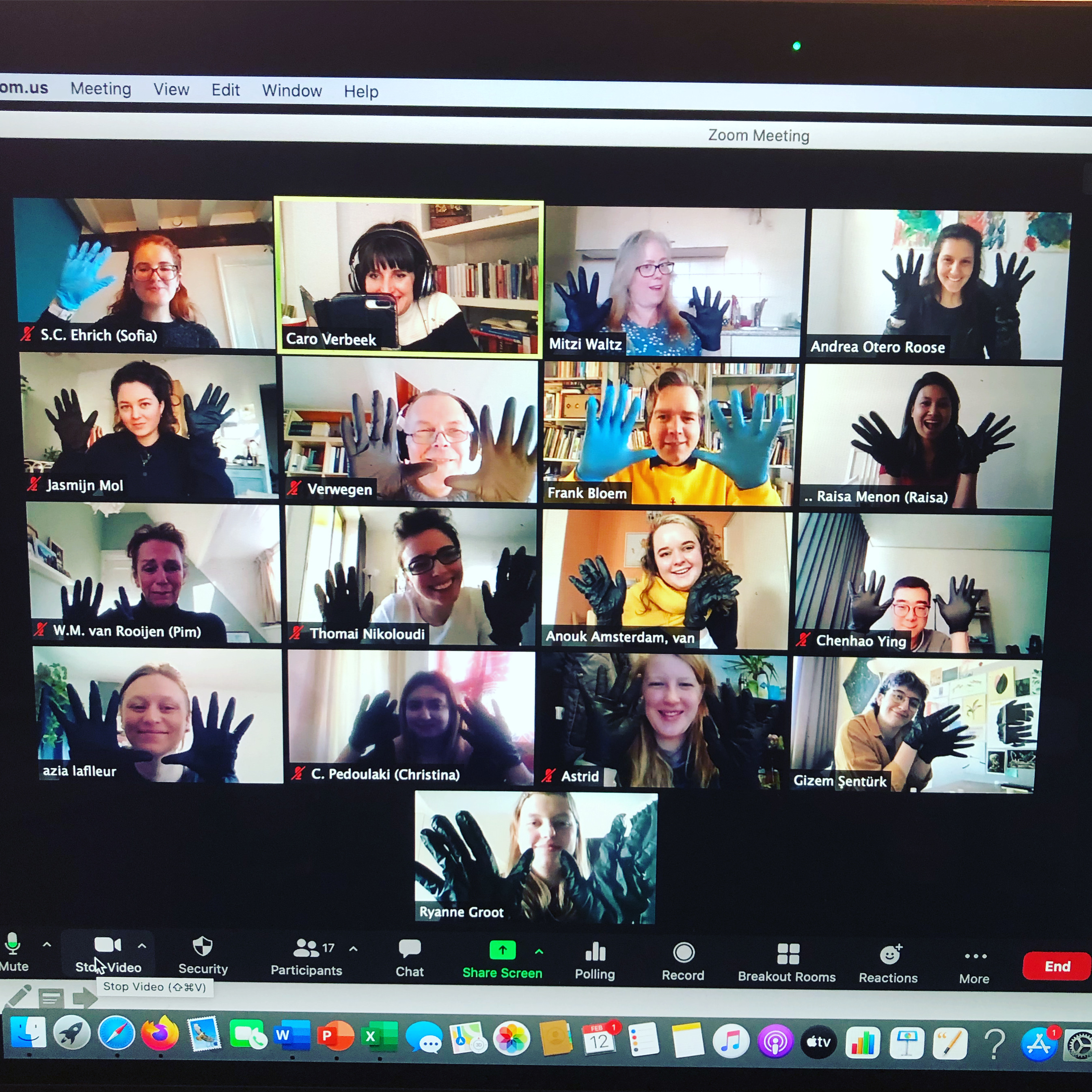
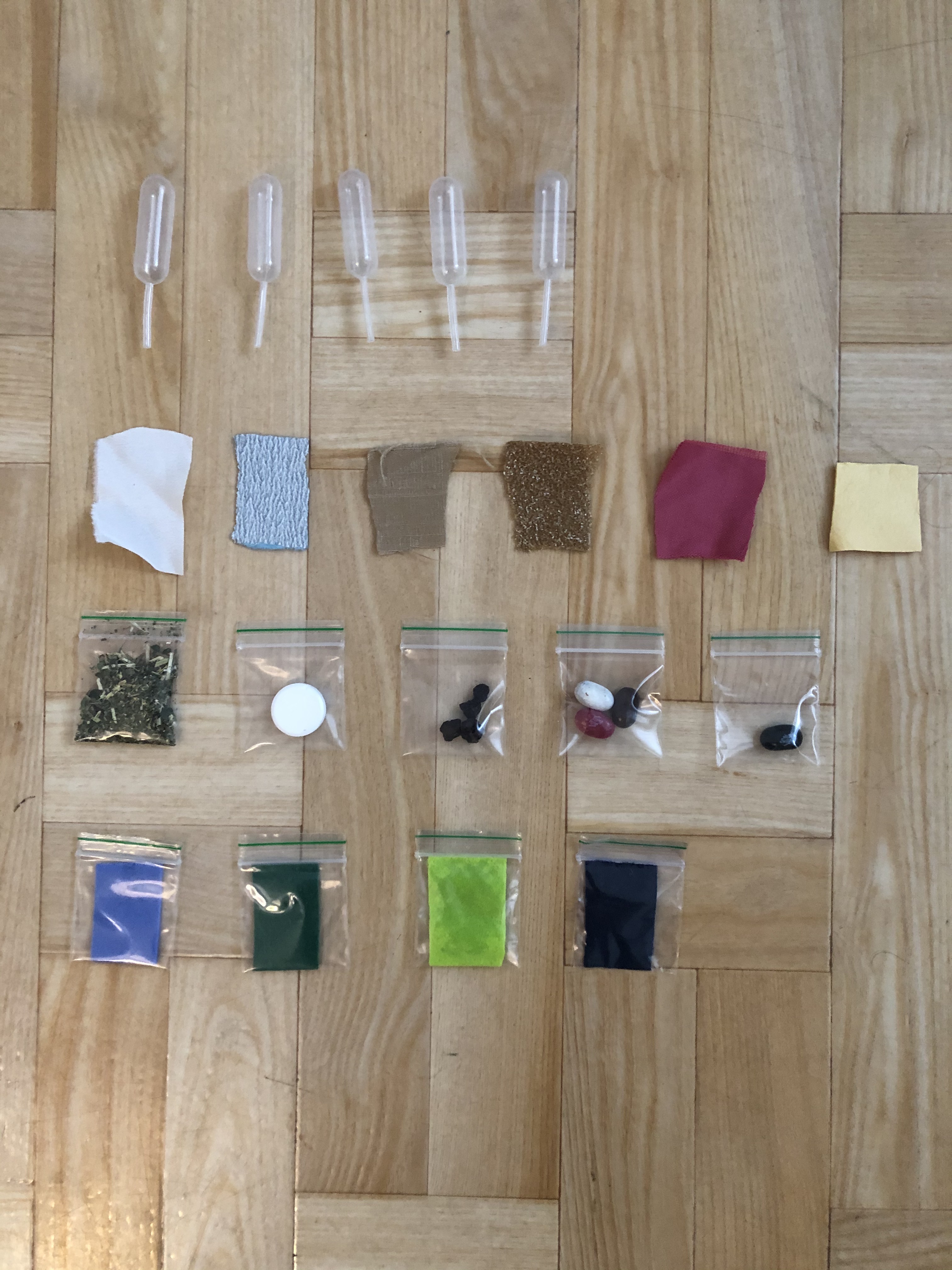
Before I founded and designed the course ‘Knowing by Sensing’ in 2019, I had to overcome quite a few obstacles. First of all, sensory learning is associated to the education of children and not to serious academic students. And second of all, smelling, tasting and touching are traditionally not considered as instruments leading to proper knowledge. I was convinced it could work though, and I am glad I persevered, and met the right people. When (then) head of education of Vrije Universiteit saw me lecture on the senses (and through the senses!) to inaugurate the academic year in 2017, he invited me to think about a course that could benefit all types of students. My highly supportive PhD-supervisor Inger Leemans saw an opportunity and allowed me to further develop this course, which I labelled ‘Knowing by Sensing’. Inspired by the already existing movement of ‘Knowing by Doing’ I opted for this title because knowledge and experience are all to often deemed opposites. Which they are clearly not, because they always inform each other! The third obstacle was Covid-19. How can one teach smell, taste and touch online? Why, by making a sensory kit of course!
Background
I had already started to inroduce scents and other sensory impressions in the classroom in 2010 in my course ‘The Other Senses’ at the ArtScience Interfaculty (KABK the Hague). And what I noticed amazed me: smells and tactile impressions truly help to keep students more engaged, active and inquisitive and they remembered the studied material more easily! Why wouldn’t this work for academic students?
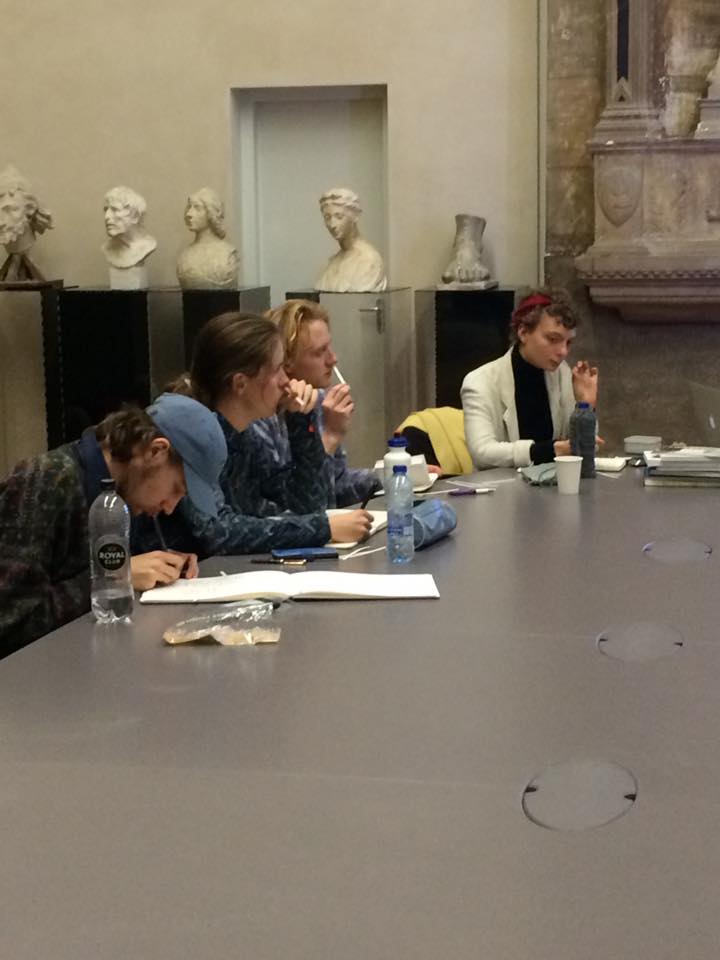
Messages and information conveyed through the senses in combination with textual cues, have a better chance of being understood and processed since this method caters to different learning styles. Furthermore, sensory engagement enhances
- Inclusivity and accessibility
- Empathy for people that experience the world differently
- aesthetic appreciation
- community building
- historical sensations
- emotional states (and emotional are essential for learning)
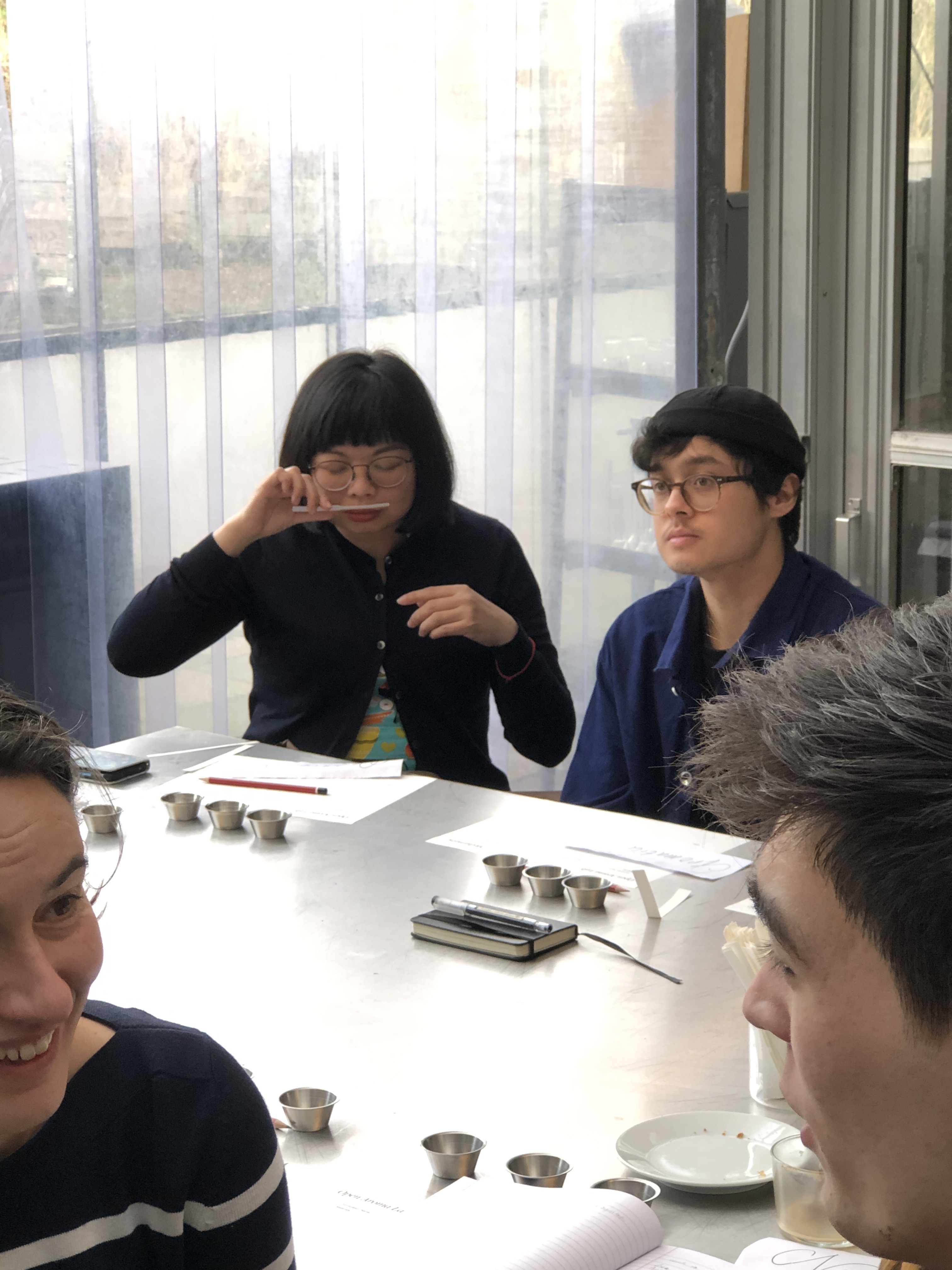
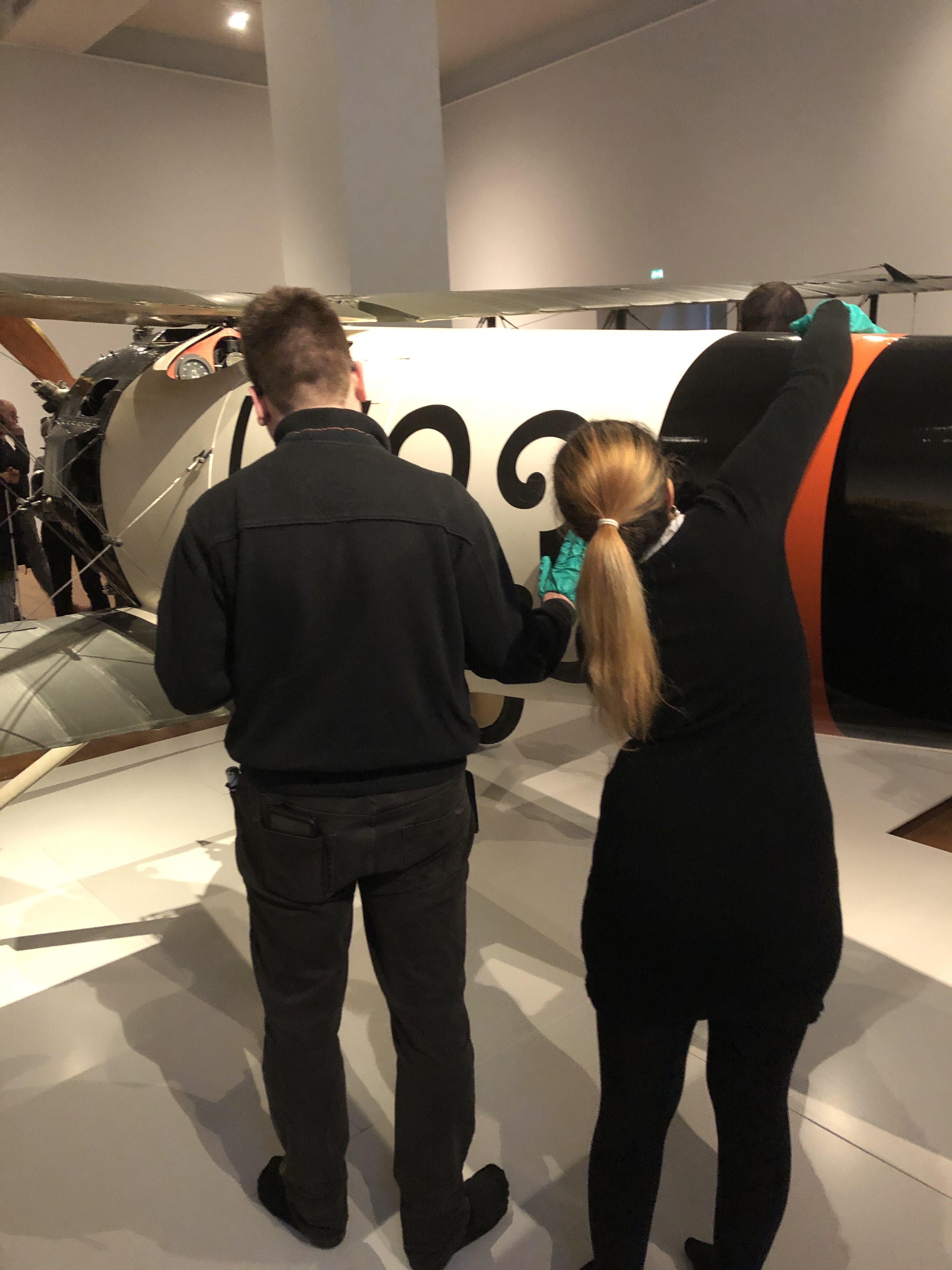
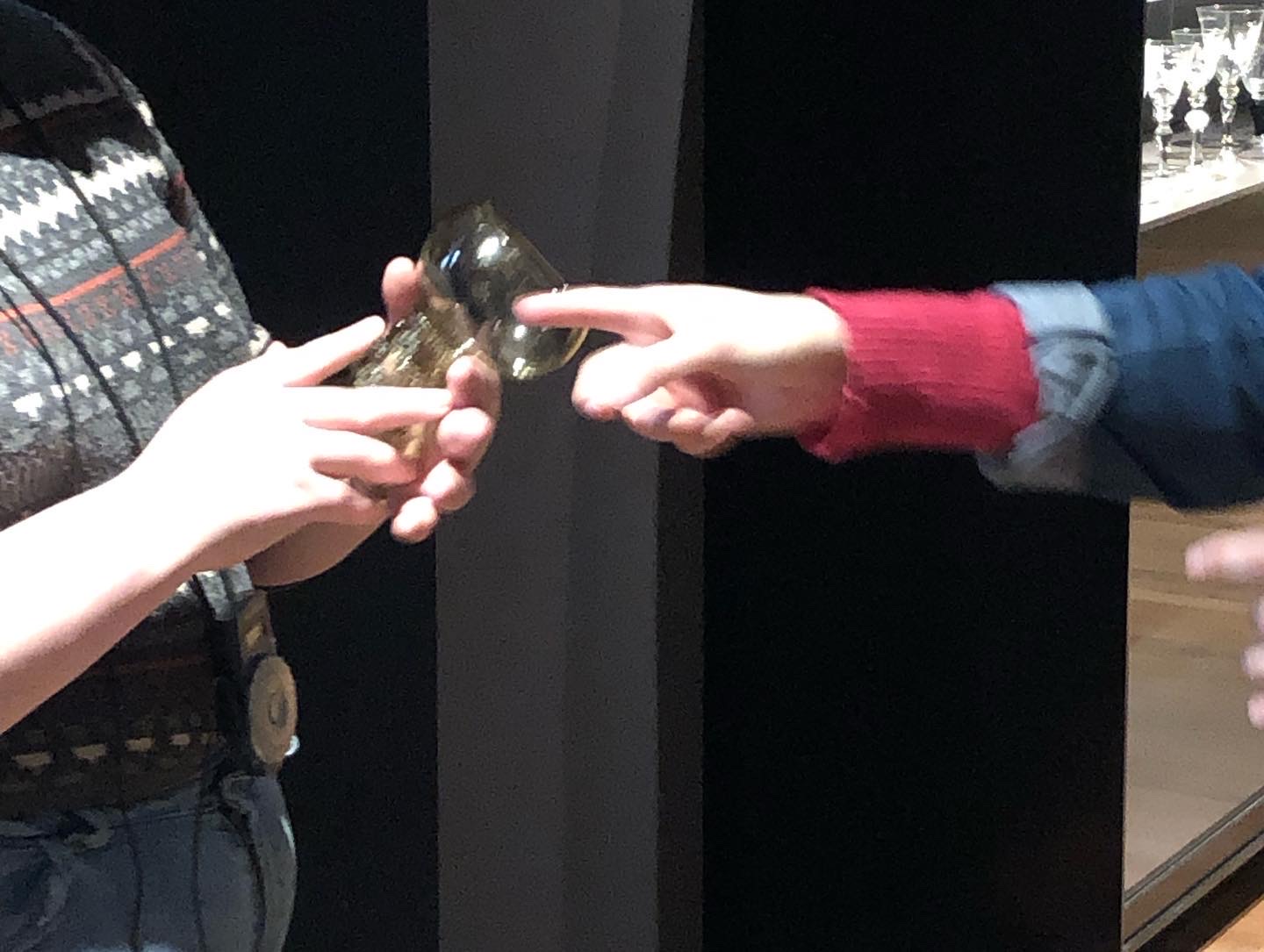
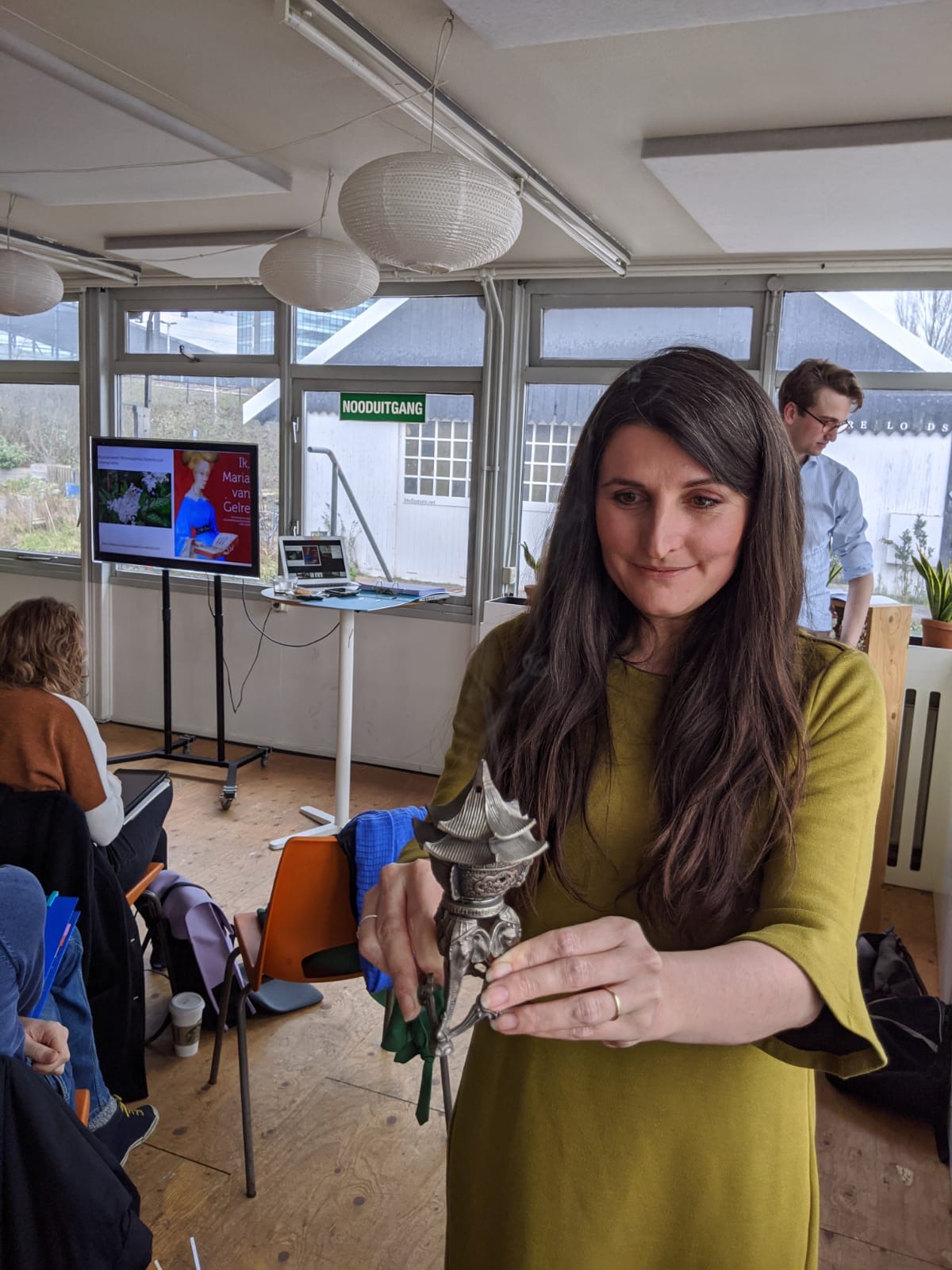
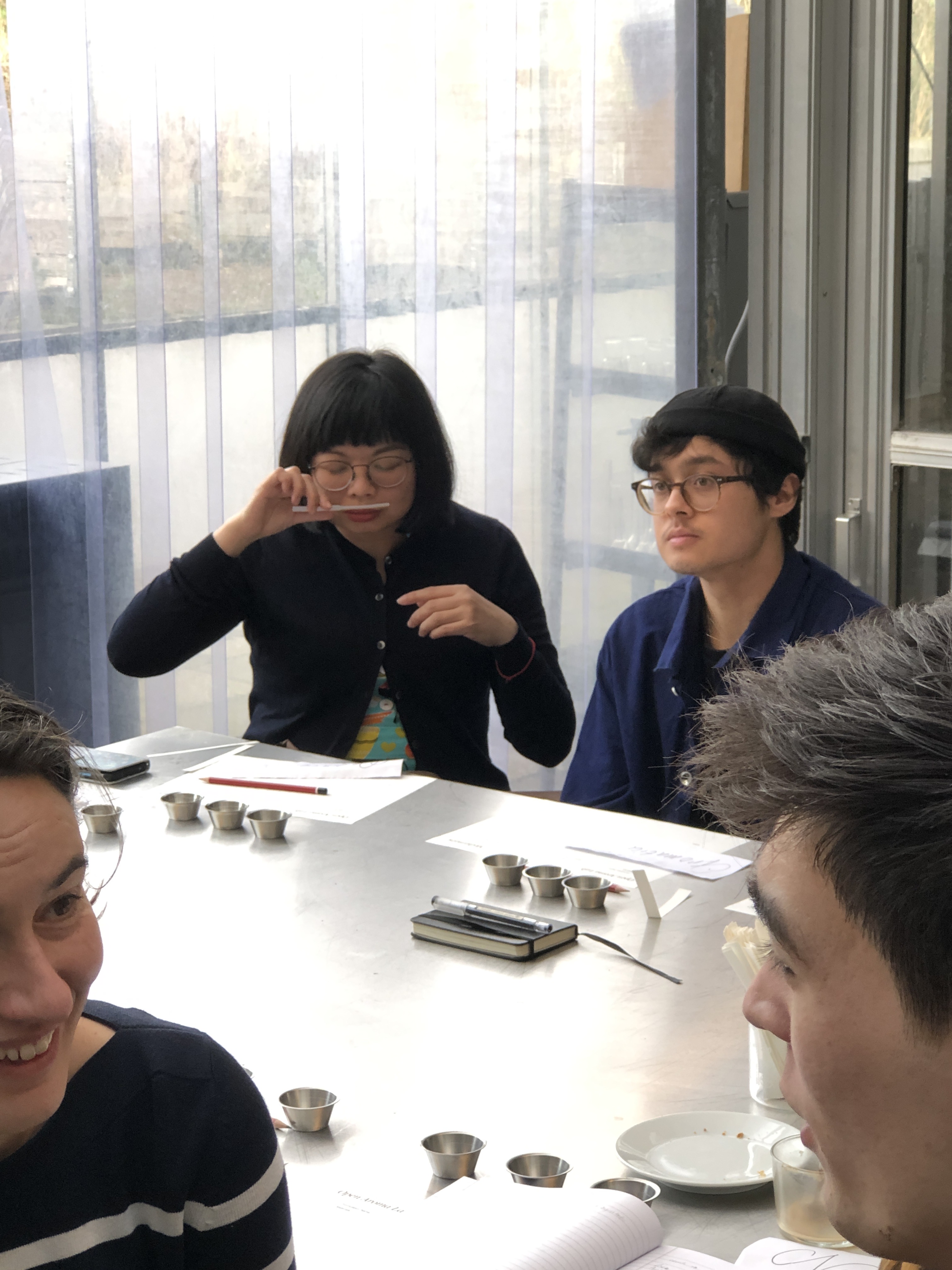
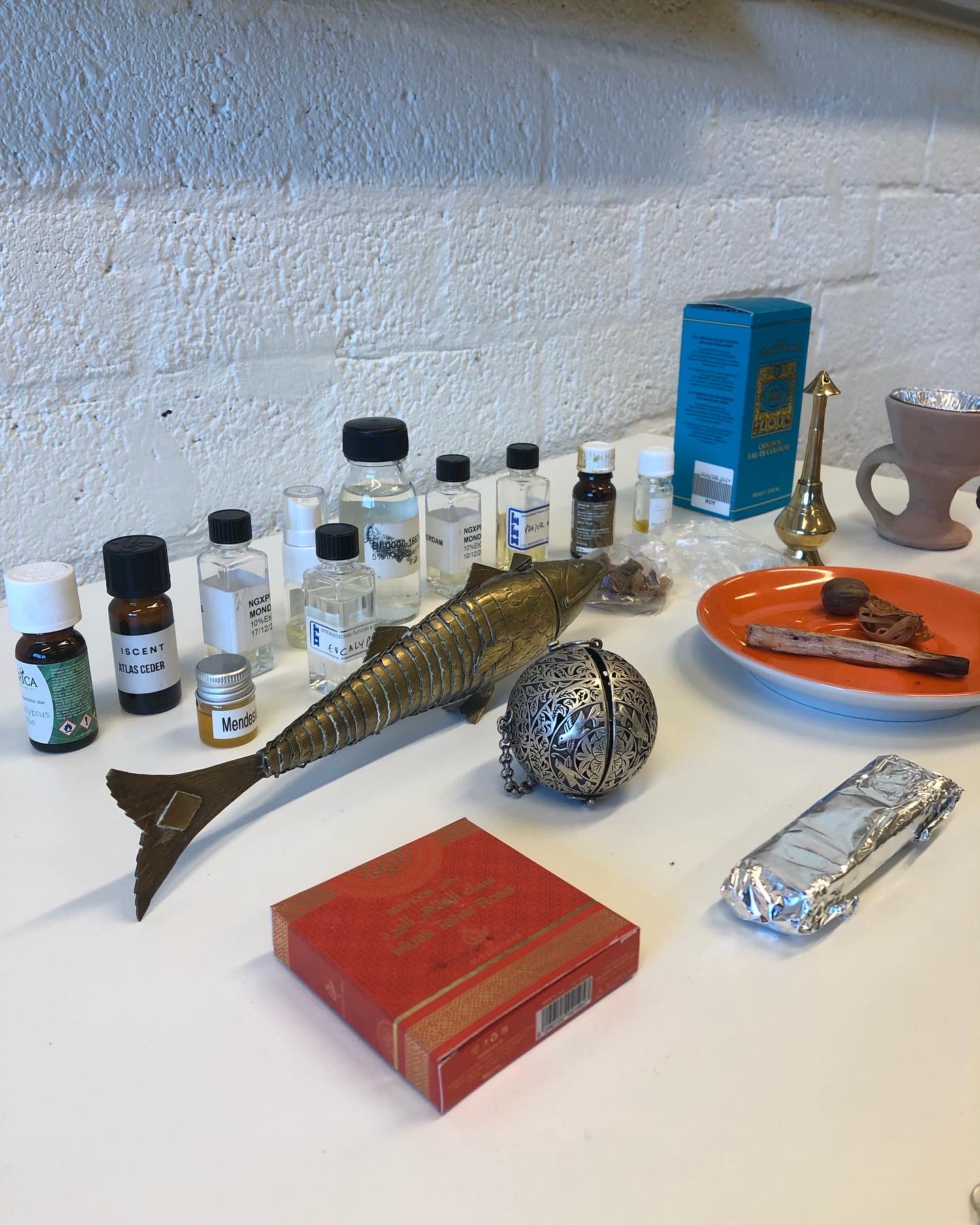
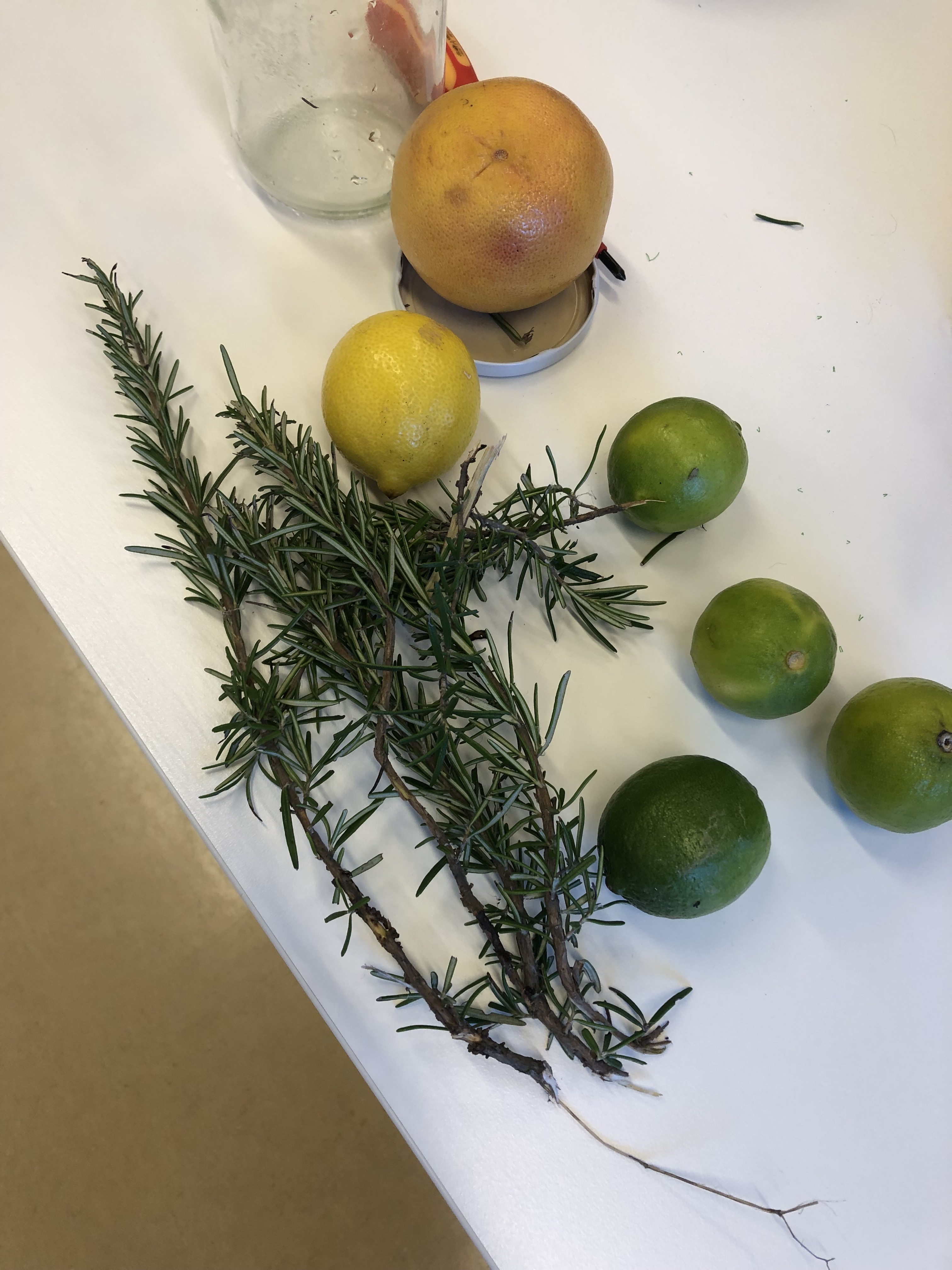
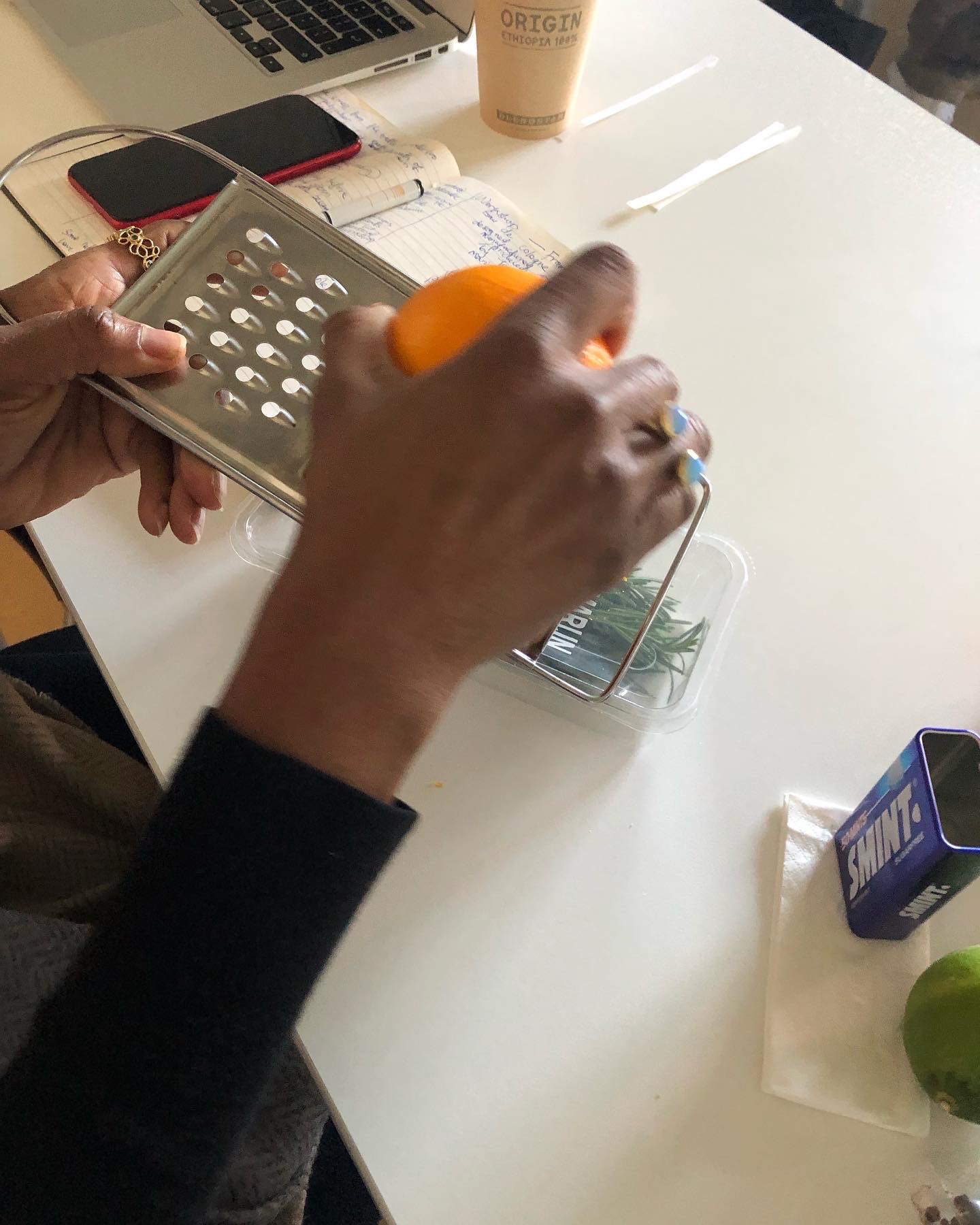
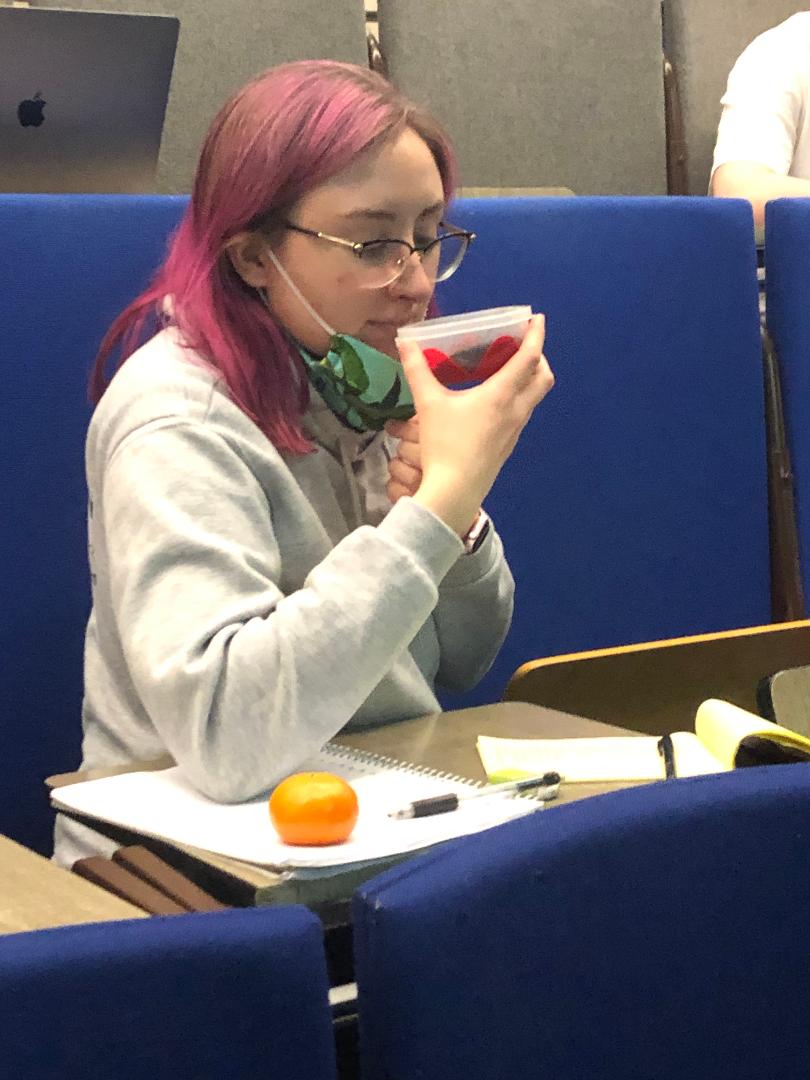
During this course – which is assessed as ‘excellent’ and followed by both medical, heritage, art and communication students – we train our senses, discover ‘new’ senses’, learn how to describe sensory experiences and how to integrate them in exhibition design and care environments to enhance inclusivity and well-being. We sniff historical scents, create our own perfume, taste wine, listen to ancient organs, embody sculptures and find out about our internal sense of proprioception.
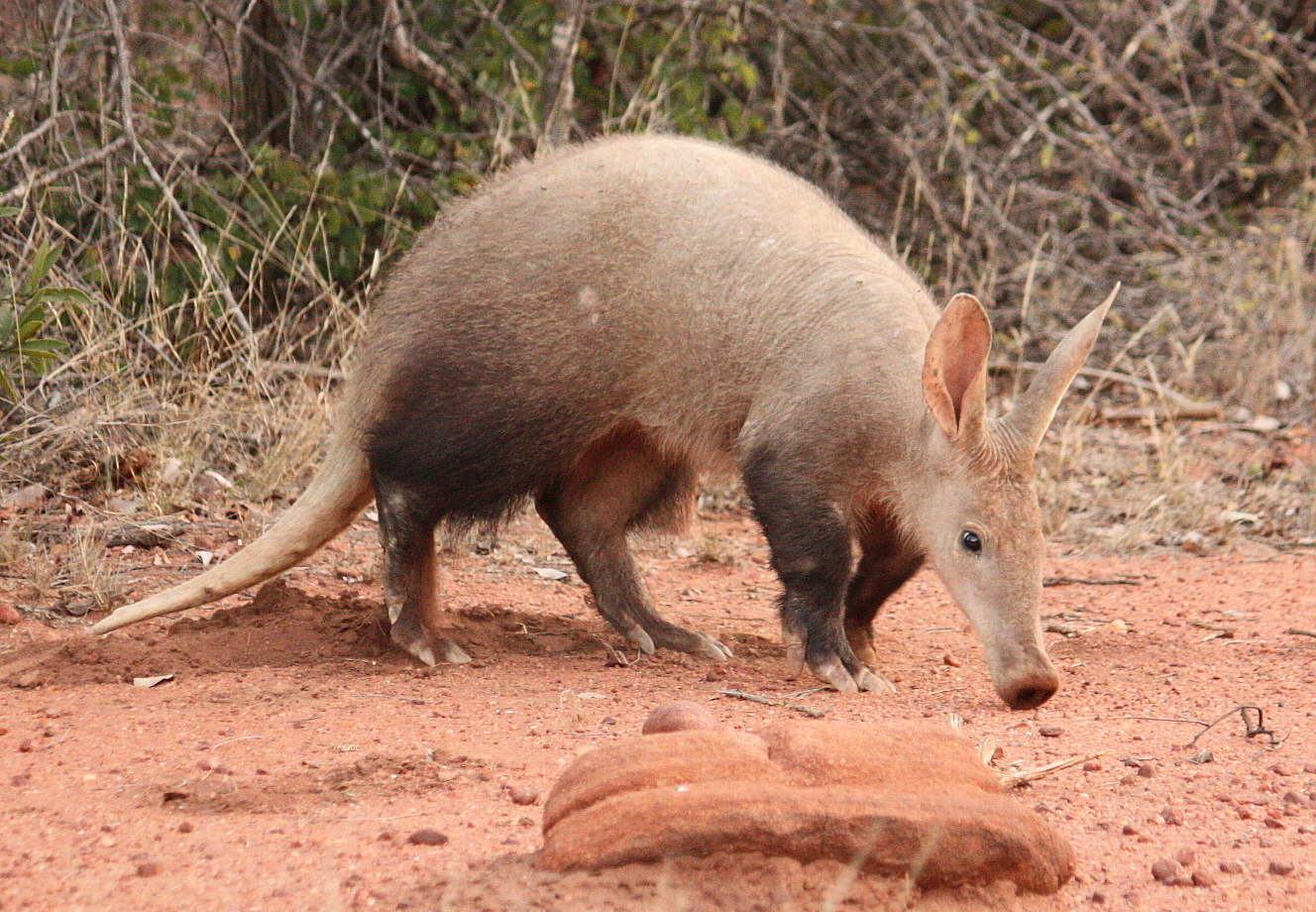
ARTTVARKS
I would like to call this multisensory learning style arttvarks! And it tries to leave no sense unaddressed:
Auditory
Re-construct/ reenact
Tasting
Touching
Visual/ Aural
Reading/ writing
Kinaesthesia
Synaesthesia
What follows is a visual report of the many things we did over the years, but only after mentioning these amazing contributors:
Dr. Hans Fidom – deep listening
Michiel Huijsman – deep listening
Cathelijne Denekamp (feeling, audiodescription, inclusion and museology)
Romy Muste (embodiment in museums)
Dr. Piet Devos (haptics and disability studies)
Dr. Ilja Croijmans (olfactory language and tasting)
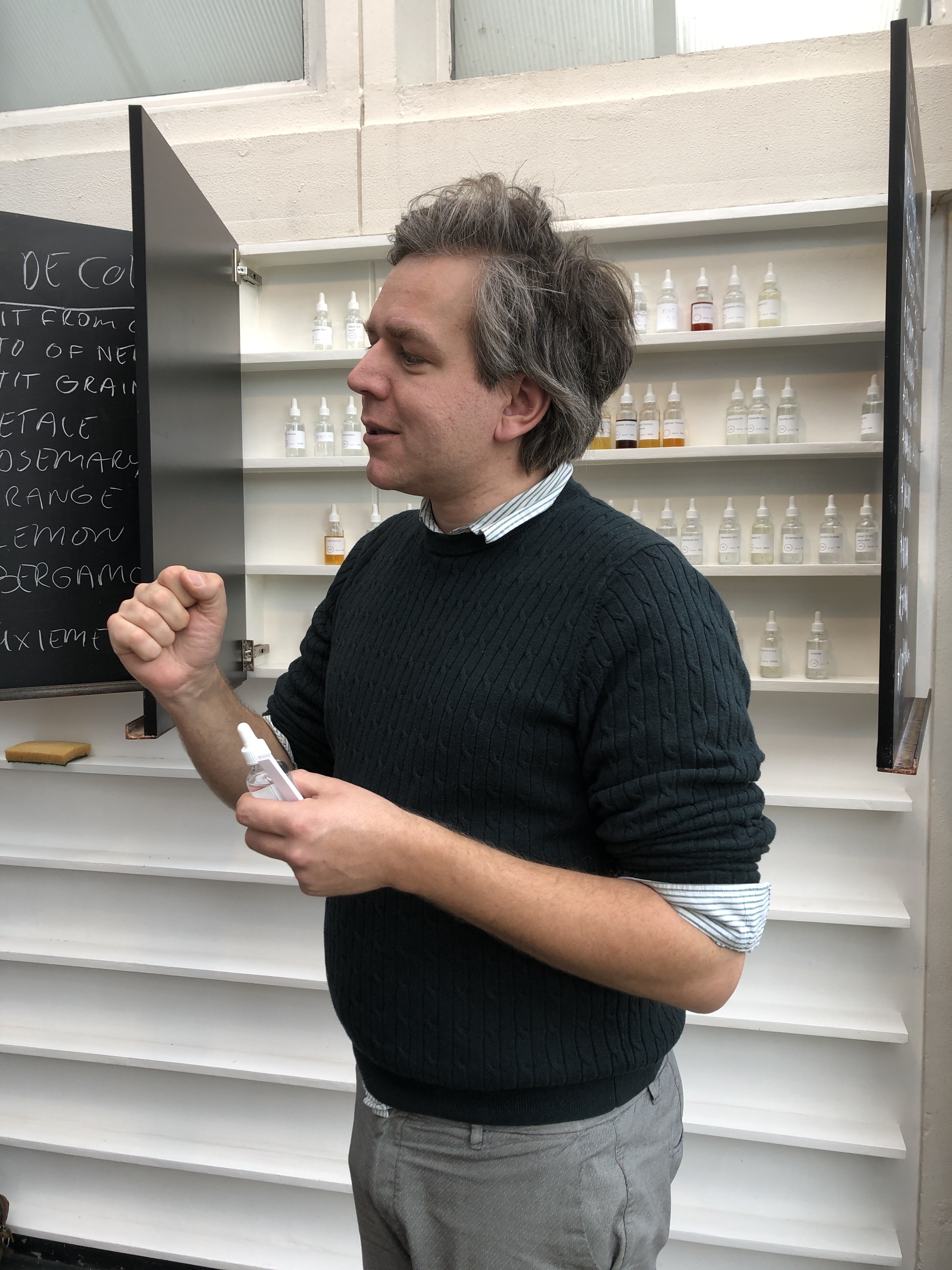
Frank Bloem (perfumery and smell)
Sandra Schouten (sensory care)
Dr. Cretien van Campen (synaesthesia and sensory memory)
Dr. Wouter de Vries (imagination, and coordination in the first year)
Dr. Manon Parry (for integrating this course in her track)
Last but not least, I would like to thank my former student and trainee Sofia Ehrich for succesfully teaching my course in 2024 while I was not available and prof. dr. Inger Leemans for giving me the chance to develop this course and to elaborate on the method later on.

I myself (Caro Verbeek) am specialised in touch, smell, sensory museology and synaesthesia.







 Futurist Scents